


Executive Summary & Key Takeaways
In the world’s renowned Blue Zones?from Ikaria, Greece to Sardinia, Italy?centenarians regularly live vibrant, disease-free lives past 100. Unpack the culinary principles, legume traditions, and herbal infusions powering human longevity.
\n
\n
Lessons from the World’s Oldest Populations
\n
Dan Buettner’s pioneering demographic research into global ‘Blue Zones’ identified five regions on earth where populations consistently reach age 100 without Alzheimer’s, cardiovascular disease, or metabolic syndrome. While their geographies vary, their dietary architecture shares striking common denominators.
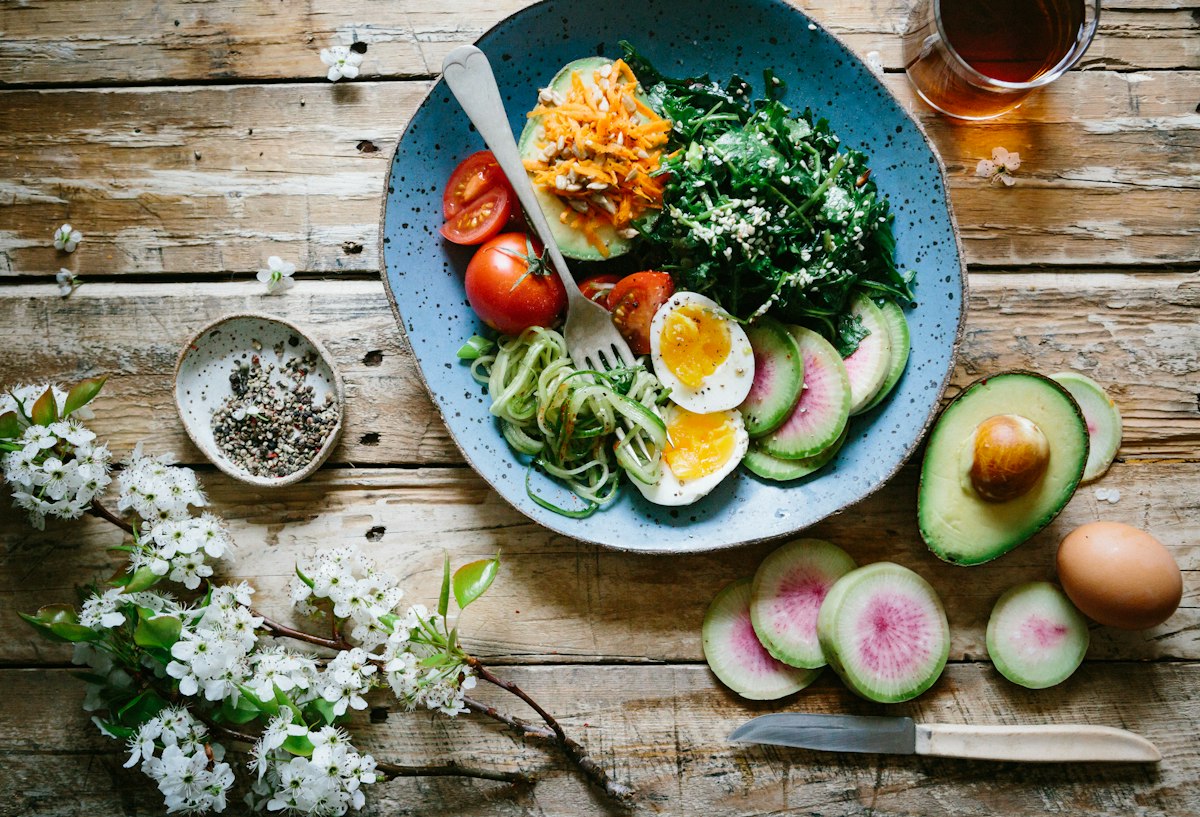
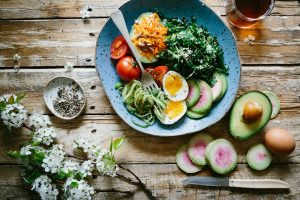
These populations do not consume synthetic protein powders, restrictive fad diets, or expensive designer supplements. Their longevity stems from a plant-forward, unprocessed diet centered on legumes, wild greens, whole grains, nuts, and copious cold-pressed olive oil.
\n
The 4 Pillars of Blue Zone Gastronomy
\n
Incorporate these ancestral longevity habits into your modern kitchen:
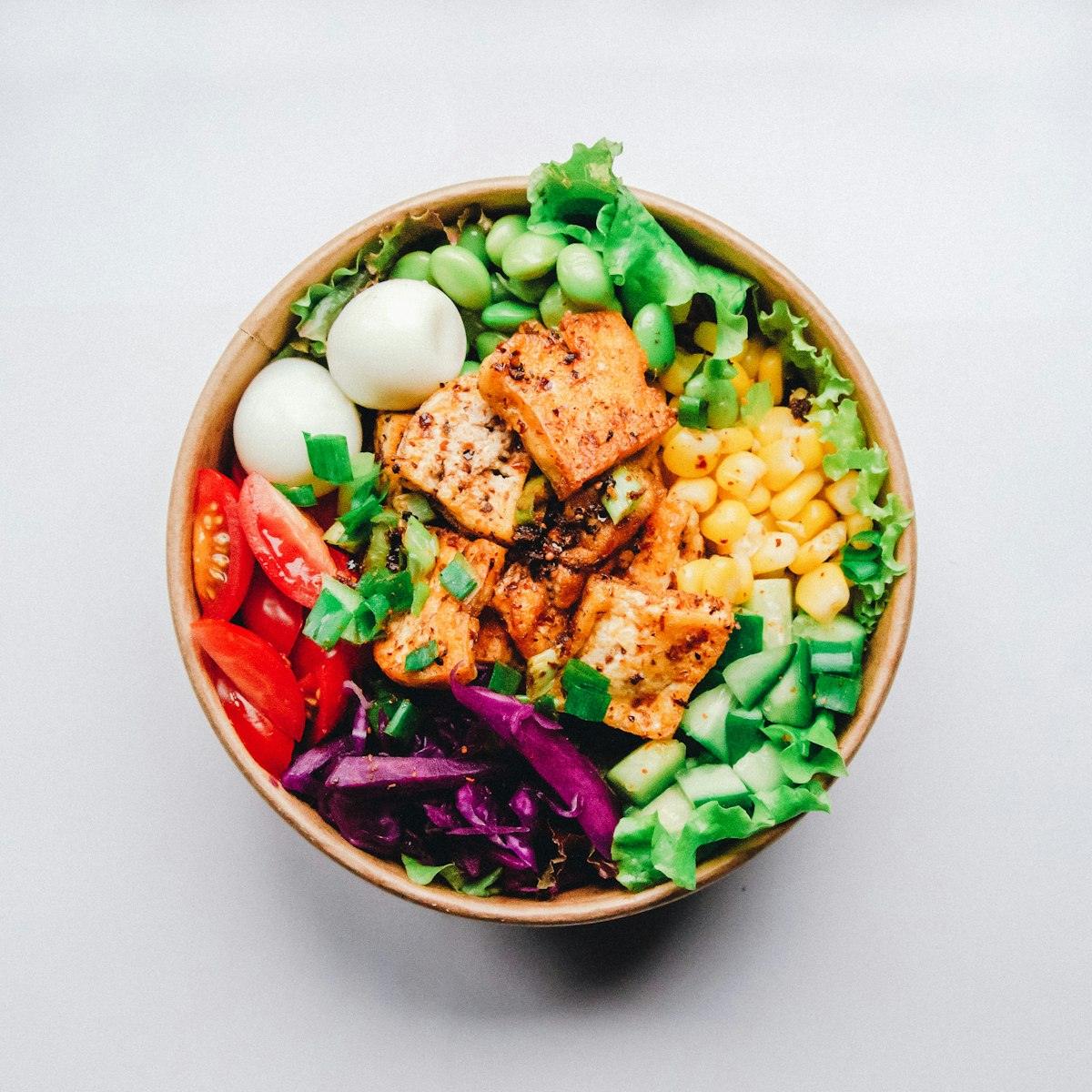
- Legumes as the Protein Cornerstone: Consume at least one cup of beans daily?cannellini, chickpeas, fava beans, or black lentils?providing resistant starch, plant sterols, and bioavailable protein.
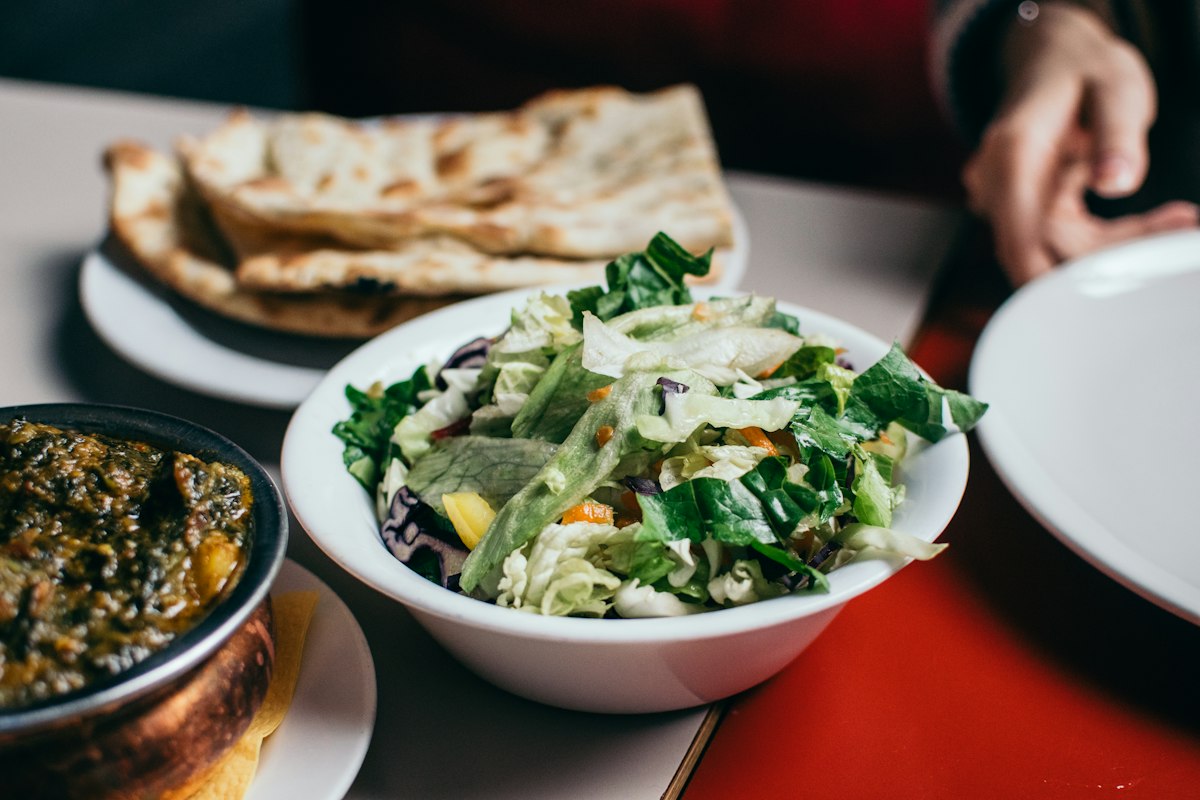
- The Sourdough Tradition: Centenarians in Sardinia consume traditional slow-fermented whole-grain sourdough. The long lactic acid fermentation breaks down gluten and antinutrients, lowering the bread’s glycemic index drastically.
- Abundant Bitter Wild Greens: Foraged wild dandelion, chicory, and purslane deliver ten times more polyphenols and carotenoids than domesticated greenhouse lettuce.
- Nutritional Moderate Restraint (Hara Hachi Bu): Practiced in Okinawa, this Confucian precept instructs individuals to stop eating when their stomachs are 80% full, preventing mitochondrial oxidative overload.
\n
Herbal Mountain Teas
\n
Ikarians drink daily infusions of wild Greek mountain tea (Sideritis), rosemary, sage, and mint. These herbs are natural mild diuretics that keep blood pressure optimal while delivering continuous anti-inflammatory flavonoids.
\n
Blue Zone Dietary Ratios & Nutritional Targets
\n
| Nutrient Category | Blue Zone Percentage | Standard Western Diet | Primary Whole Food Sources |
|---|---|---|---|
| Complex Carbohydrates | 65% – 70% | 50% (Refined sugars) | Sweet potatoes, legumes, sourdough, oats |
| Plant Fats | 15% – 20% | 35% (Industrial seed oils) | Cold-pressed EVOO, walnuts, almonds |
| Protein | 10% – 15% | 25% (High processed meats) | Lentils, chickpeas, tofu, wild fish occasionally |
| Daily Dietary Fiber | 35 – 45 grams | 12 – 15 grams | Whole vegetables, leafy greens, bean dishes |
\n
Pro Tip: Simmer dried beans with a piece of dried Kombu sea kelp; the natural enzymes in kombu break down complex oligosaccharides, eliminating digestive gas and bloating.
\n
Wholesome Nutritional Wisdom
Food is far more than mere calories?it is biological information that instructs your genes, regulates your microbiome, and shapes your cognitive longevity. Eating with intention and reverence is the greatest investment in your lifelong vitality.