


Executive Summary & Key Takeaways
Your gut microbiome dictates immune function, metabolic health, neurotransmitter synthesis, and skin clarity. Learn how to cultivate a thriving microbial rainforest through artisanal fermented foods and targeted prebiotic diversity.
\n
\n
The Second Brain Inside Your Intestines
\n
The human gastrointestinal tract is home to over 100 trillion microorganisms comprising thousands of distinct bacterial species. This complex ecosystem synthesizes over 90% of your body’s serotonin and 50% of its dopamine, directly influencing mood, cognitive resilience, and food cravings via the vagus nerve.
Modern antibiotic overuse, chlorinated tap water, and low-fiber Western diets have reduced microbial biodiversity by up to 50%. Restoring this internal ecosystem requires feeding beneficial commensal bacteria while actively crowding out opportunistic pathogens.
\n
The Power of the 3 ‘Biotics’: Pre, Pro, and Post
\n
A comprehensive gut optimization strategy addresses all three stages of microbial biology:
- Probiotics (The Live Microbes): Living beneficial bacteria consumed through traditional fermented foods: unpasteurized raw sauerkraut, authentic Korean kimchi, live-culture water kefir, and traditional coconut yogurt.
- Prebiotics (The Microbial Fertilizer): Non-digestible plant fibers that feed Bifidobacteria and Lactobacilli: raw Jerusalem artichokes, chicory root, dandelion greens, garlic, leeks, and slightly green unripe bananas.
- Postbiotics (The Metabolic Payoff): When beneficial microbes ferment prebiotic fiber, they produce short-chain fatty acids (SCFAs)?most notably Butyrate. Butyrate fuels colonocytes, seals gut junctions, and suppresses systemic inflammation.
\n
The 30-Plants-Per-Week Diversity Metric
\n
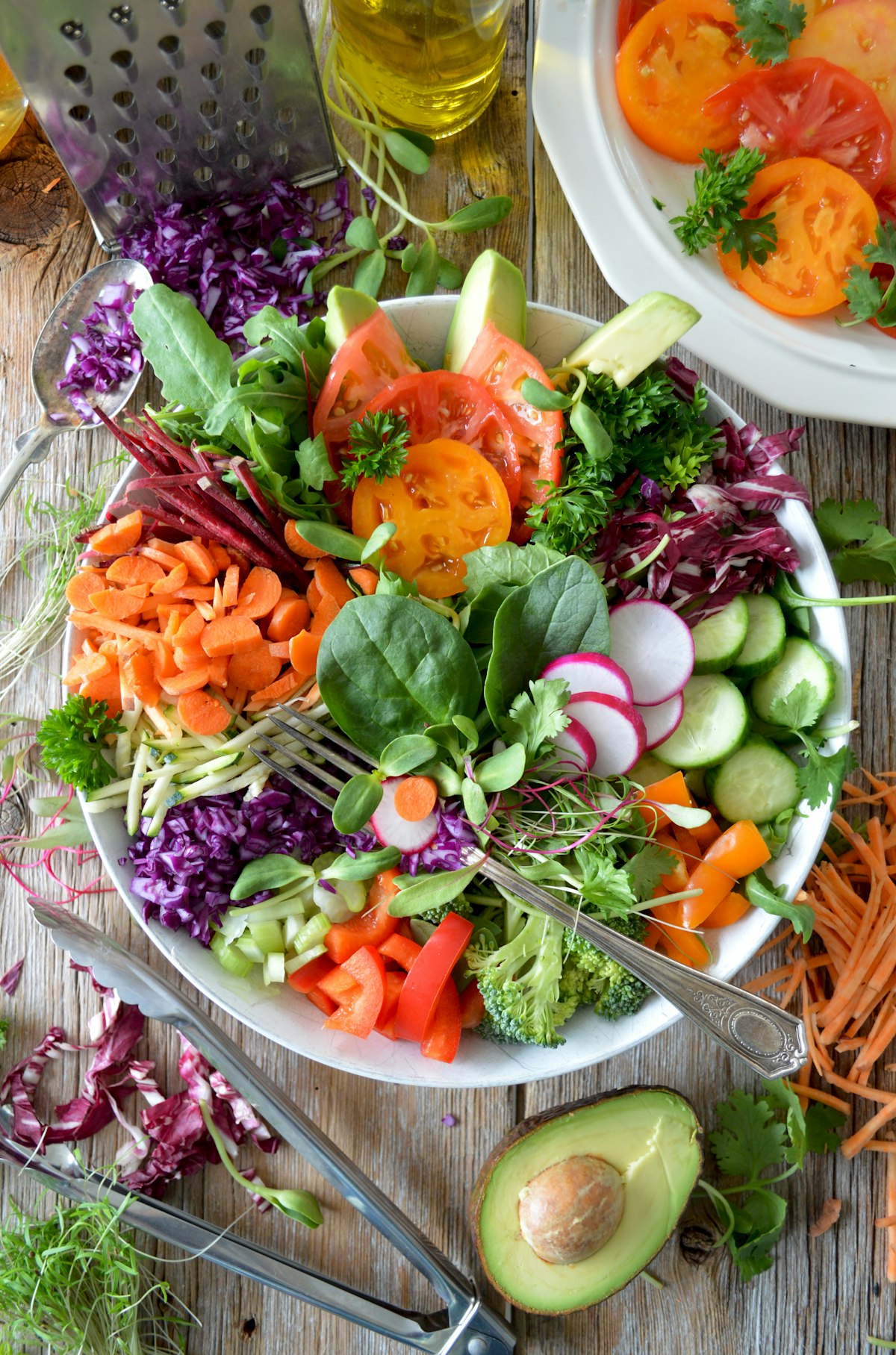
Landmark human microbiome studies reveal that individuals consuming at least 30 diverse plant species weekly possess significantly more resilient, diverse microbiomes than those consuming fewer than 10. Count herbs, spices, seeds, nuts, and varied leafy greens toward your weekly tally.
\n
Fermented Foods & Probiotic Strain Profile
\n
| Fermented Food | Key Bacterial Strains | Active Enzymes | Digestive Benefit |
|---|---|---|---|
| Raw Sauerkraut | Lactobacillus plantarum, L. brevis | Amylase, Lipase | Enhances stomach acid secretion |
| Traditional Kimchi | Leuconostoc mesenteroides | Protease, Cellulase | Boosts mucosal immune defenses |
| Coconut Kefir | Lactobacillus kefiri, yeasts | Lactase, Phytase | Repopulates upper GI tract |
| Raw Apple Cider Vinegar | Acetobacter aceti (‘The Mother’) | Acetic Acid | Stimulates bile flow for fat digestion |
\n
Pro Tip: Always buy sauerkraut and kimchi from the refrigerated section of your grocery store; shelf-stable canned jars in the center aisles have been pasteurized with heat, which kills 100% of beneficial live cultures.
\n
Wholesome Nutritional Wisdom
Food is far more than mere calories?it is biological information that instructs your genes, regulates your microbiome, and shapes your cognitive longevity. Eating with intention and reverence is the greatest investment in your lifelong vitality.