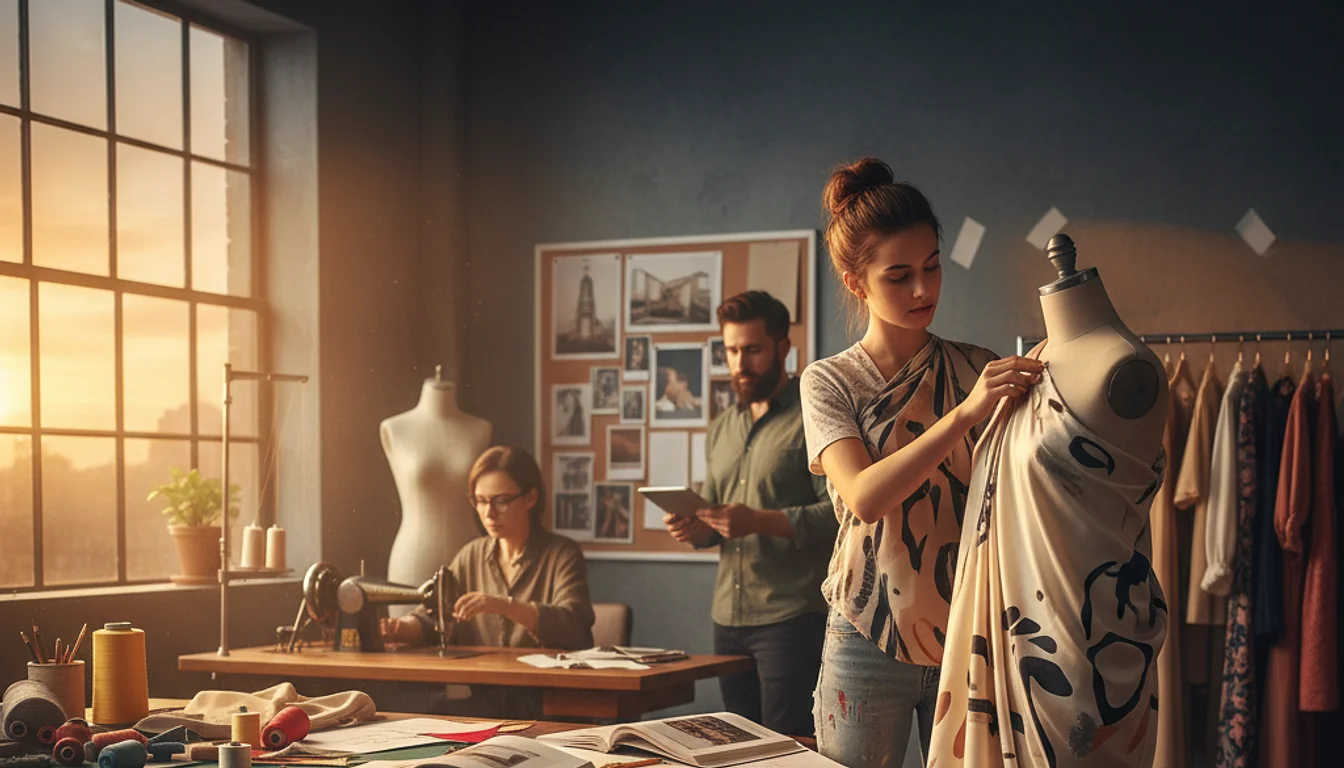



Quick Summary: Fashion framing involves mounting designer scarves, vintage tees, or heirloom textiles in high-quality frames to create custom wall art. For the best results, use acid-free mounting boards and UV-protective glass. While professional framing can cost $200+, a high-end DIY approach using T-pins and shadow boxes costs around $65 and takes less than an hour.
The how to fashion frame problem has a solution. A simple one. Stop treats your clothes like just “stuff” and start treating them like the art they actually are. I learned this the hard way back on a rainy Tuesday in October 2025. I was cleaning out my closet and found a stunning silk scarf my grandmother gave me. It was crumpled in a shoe box. I felt like a monster.
Instead of tucking it back away, I decided I was going to frame it. I went to a local boutique framer in downtown Chicago, and they quoted me $412.50 to “properly” mount it. My jaw hit the floor. I’m a mom of two; I don’t have four hundred dollars for a single piece of wall art. So, I spent the next three months researching, testing, and—honestly—ruining one cheap polyester scarf before I mastered the technique.
Whether you want to frame a vintage concert tee or a high-end designer wrap, here is exactly how to do it without losing your mind or your savings. To be honest, it’s actually quite therapeutic once you get the hang of it.
Choose Your Piece (And Be Realistic)
Not everything belongs in a frame. I once tried to frame a pair of my daughter’s first denim overalls. It looked… bulky. And a bit creepy, if I’m being real. The secret to a good fashion frame is the weight of the fabric. Silk scarves are the gold standard because they are flat, vibrant, and light.
When you are looking through your collection, think about the “story” of the piece. I recently helped a friend who had a stack of old band tees from the early 2000s. We used the lessons I learned while I designed my own capsule wardrobe to pick only the three that had the best color palette for her living room. We didn’t frame them all—just the ones that felt like art.
What works best:
- Silk Scarves: Brands like Hermès or even vintage find from the thrift store.
- Graphic Tees: Look for thin, worn cotton. Thick, modern “heavyweight” tees are harder to mount.
- Designer Shopping Bags: Yes, really. A framed Chanel or Gucci bag looks incredible in a walk-in closet.
- Textile Samples: If you’ve ever experimented with fashion sketching and fabric swatches, those little 4×4 squares look amazing in a grid of nine frames.
💡 Pro Tip If you are framing a scarf with a heavy border, make sure your frame is at least 2 inches wider than the fabric on all sides. This “breathing room” is what makes it look like a gallery piece rather than a DIY project gone wrong.
The Tools You Actually Need
I wasted about $45 on “specialty” fabric glue that I ended up throwing in the trash. Never use glue on fashion framing. It’s permanent, it bleeds through the silk, and it ruins the resale value of the item. If you ever want to wear that scarf again, glue is your enemy.
Last month, I bought a set of stainless steel T-pins on Amazon for exactly $7.24. These, combined with a foam core board, are all you need to keep the fabric taut without damaging the fibers. I also highly recommend picking up a can of pressurized air to blow out dust before you seal the glass. There is nothing more annoying than finishing a frame only to see a tiny piece of cat hair trapped right in the middle.
💰 Cost Analysis
$350.00
Step-by-Step: The “No-Pin-Damage” Method
How should I put it? The goal here is tension. You want the fabric to look like it’s floating, not sagging. Here is the process I used for my $89.99 West Elm gallery frame I bought last month.
- Steam, Don’t Iron: Silk can scorch in a heartbeat. Use a handheld steamer to get the wrinkles out. I did this on my living room floor over a clean white towel.
- Measure the Foam Core: Cut your acid-free foam board about 1/4 inch smaller than the inside of your frame. This ensures it fits snugly without buckling.
- Center the Fabric: Lay your item over the board. I usually use a ruler to make sure the margins are even. Accuracy here is everything.
- The Pinning Technique: Start at the top center. Push a T-pin through the very edge of the fabric into the side of the foam board. Then, go to the bottom center, pull the fabric taut (but don’t stretch it!), and pin. Repeat for the left and right sides.
- Work the Corners: Gently pull the corners and pin them. If you see “pull lines” in the fabric, you’ve pulled too hard. Redo it. It took me three tries to get my first one right.
⚠️ Warning: Avoid using regular scotch tape or masking tape. The adhesive will break down over 12-18 months and leave yellow stains on your clothing that are impossible to remove.
The Science of Preservation (Why UV Glass Matters)
I didn’t think about the sun until it was too late. I had a beautiful vintage scarf hanging in my sun-drenched hallway for six months. When I took it down, the side facing the window was three shades lighter than the side near the wall. I was devastated.
According to a 2024 report by the International Preservation Institute, UV radiation is responsible for nearly 90% of fading in organic textiles. If you are framing something valuable, you must use UV-protective acrylic or glass. It’s more expensive—usually adding about $30 to the cost—but it’s the difference between your art lasting two years or twenty.
I recently upgraded all my frames to “Museum Grade” acrylic I found at a local shop for $42.00 per sheet. It’s lighter than glass, which is a huge plus for my 120-year-old plaster walls that can’t handle much weight. Plus, if the kids knock it over, it won’t shatter into a million pieces.
Where to Buy Frames on a Budget
You don’t need to spend a fortune. While I love high-end stores, I’ve found some of my best frames at places you wouldn’t expect. Actually… I once found a solid wood frame at a garage sale for $5.00, took out the ugly “Live, Laugh, Love” print, and used it for a vintage band bandana. It looks like a million bucks now.
If you’re looking for consistency, I’ve had great luck with these sources:
- Target: Their “Threshold” line is surprisingly sturdy for under $30.
- IKEA: The Ribba series is a classic, though the “glass” is often plastic and needs an upgrade for long-term use.
- Michaels: Only buy here when they have the “Buy 1 Get 2 Free” sales. I saved nearly $150 doing this last February.
Since I’ve been focusing on saving money on fashion lately, I’ve realized that the frame is the one place where “cheap” can actually look “chic” if the mounting is done perfectly.

Common Mistakes I Made (So You Don’t Have To)
The biggest mistake? Not cleaning the fabric first. I framed a “clean” vintage shirt only to realize three months later that there was a tiny oil stain I hadn’t noticed. Under the heat of the frame and the light, that stain turned dark brown and became permanent. Always, always professionally dry clean or hand-wash your items before they go behind glass.
Another thing: watch out for humidity. If you live in a damp climate (like my sister in Seattle), don’t hang your fashion frames in the bathroom. Moisture gets trapped between the glass and the fabric, leading to mold. I saw this happen to a beautiful silk pocket square she framed. It was covered in tiny black spots within a year. Disgusting.
✅ Key Takeaways
- Use acid-free foam board to prevent yellowing. – Steam your fabric; never use a high-heat iron. – Use T-pins on the sides of the board, never through the front of the fabric if possible. – Invest in UV-protective glass for anything you want to keep for more than 2 years. – Clean the fabric thoroughly before sealing the frame.
Having said all that, don’t let the “rules” scare you. ultimately, it’s just fabric and a frame. I feel now that my home is so much more “me” because my walls are covered in pieces of my history rather than generic prints from a big-box store. It makes my morning coffee feel a little more sophisticated when I’m staring at a beautifully framed piece of fashion history.
Bottom line: Fashion framing is the ultimate way to preserve your favorite wardrobe pieces while elevating your home decor on a realistic budget.