



Quick Summary: Getting healthy nutrition isn’t about expensive powders or $15 juices. It comes down to three things: hitting your protein goals, prioritizing fiber, and being honest about your snacking. I stopped following “perfect” diets and started focusing on simple, repeatable habits that actually fit into a busy life.
THIS. This is what nobody tells you about how to get healthy nutrition. It’s not a secret club, and it certainly shouldn’t require a degree in biochemistry to understand what to put on your dinner plate.
Last Tuesday, February 10th, 2026, I found myself standing in the middle of the Sprouts Farmers Market on 5th Street, staring at a bottle of “activated” charcoal water that cost $9.49. I almost bought it. Why? Because the marketing was shiny, and I was tired. But then I remembered the embarrassing lesson I learned back in 2023 when I spent $300 on a “metabolism-reset” kit that ended up being mostly flavored sawdust. I put the water back and bought a $4.29 bunch of organic kale and some eggs instead.
I’ve been a lifestyle blogger for three years and a mom for five. In that time, I’ve tried every trend from keto to “raw til 4.” Most of them made me cranky, broke, or both. If you are struggling to figure out what “healthy” even means anymore, you aren’t alone. My friend Sarah, who is a total CrossFit nut, recently confessed to me that she still gets confused by bread labels. We are all just doing our best in a world designed to sell us junk.
The Great Nutrition Myth: Why Your “Healthy” Diet Might Be Failing
We need to talk about the “all or nothing” trap. For years, I thought that if I ate one slice of pizza, I had “ruined” my nutrition for the day. That mindset is the fastest way to fail. Healthy nutrition is a long-term average, not a single meal. I used to think I had to shop at high-end boutiques to be healthy, but I’ve since realized that smart grocery shopping is more about what you leave on the shelf than what you put in the cart.
Actually, I’ve found that the biggest barrier to nutrition isn’t lack of knowledge—it’s decision fatigue. By 6 PM, after chasing my 5-year-old, Leo, around the park, the last thing I want to do is calculate my macros. That’s why I had to simplify. I stopped looking for “superfoods” and started looking for whole foods. It sounds boring, but it’s the only thing that has ever actually worked for my energy levels and my skin.
The Hidden Cost of “Health” Foods
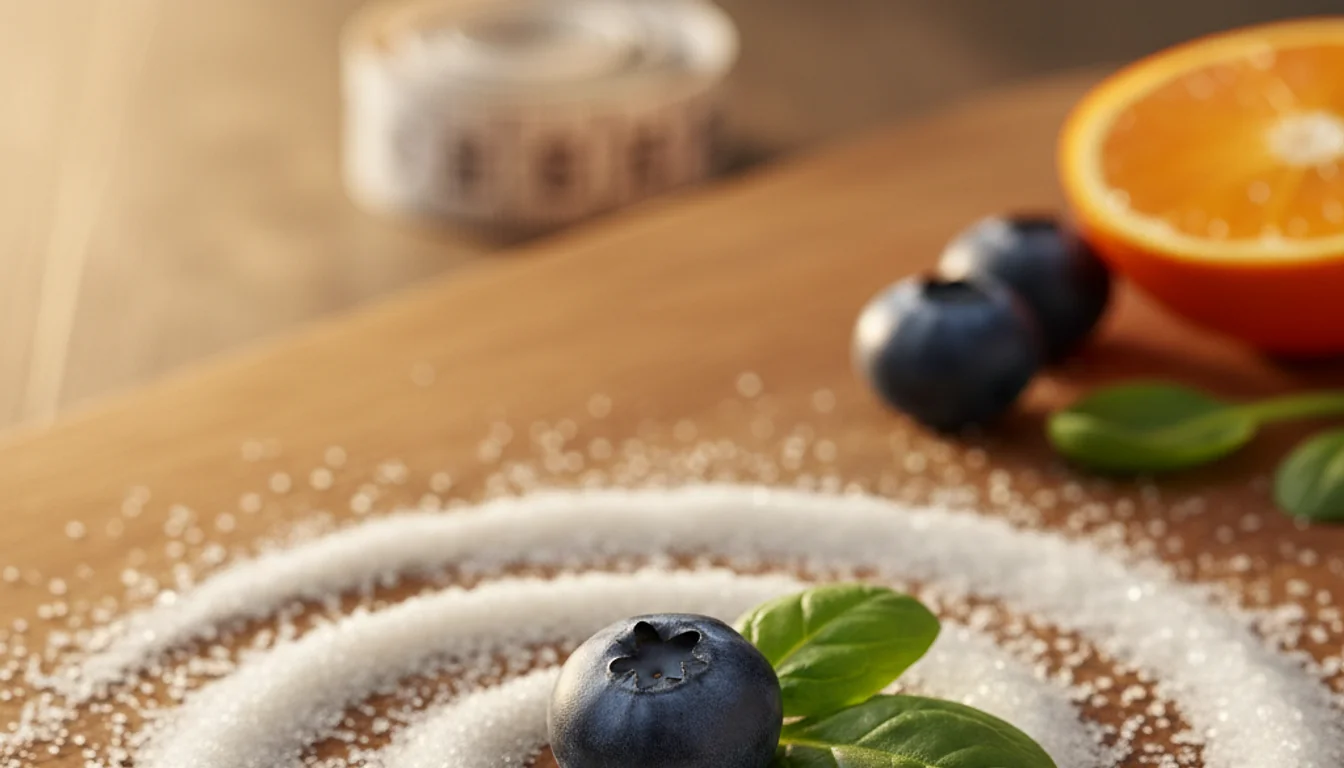
Marketing is a powerful thing. Just because a box says “organic” or “gluten-free” doesn’t mean it’s nutritious. Many of those products are packed with refined sugars to make them taste better. I learned this the hard way when I realized the “healthy” granola I was eating had more sugar than a bowl of chocolate cereal. I felt betrayed! Now, I spend about 10 seconds checking the fiber-to-sugar ratio on every package. If the sugar is higher than the fiber, it stays at the store.
💰 Cost Analysis
$14.50
$2.15
The Three Pillars of My 2026 Nutrition Strategy
To keep my sanity, I follow three simple rules. These aren’t just my opinion; they are backed by the 2024 Harvard T.H. Chan School of Public Health study on dietary patterns, which emphasized that the quality of carbohydrates and fats matters more than the quantity. Here is how I break it down in my kitchen:
1. The Protein First Rule
I make sure every single meal has a solid protein source. For me, that’s often Siggi’s Icelandic Yogurt in the morning or some grilled chicken at lunch. Protein is what keeps you full. When I was just eating salads with light dressing, I was starving by 3 PM and would inevitably face-plant into a bag of chips. Now, I aim for about 25-30 grams of protein per meal. It’s a total life-changer for avoiding that mid-afternoon energy crash.
2. The Fiber Obsession
Fiber is the most underrated nutrient. It helps with digestion, keeps your heart healthy, and—most importantly for busy moms—keeps your blood sugar stable. I try to hit 30 grams a day. This means lots of beans, lentils, and Dave’s Killer Bread. I used to think bread was the enemy, but I’ve since learned that proper nutrition lessons often involve un-learning the “carbs are bad” myth. Quality carbs are fuel.
3. The 80/20 Reality
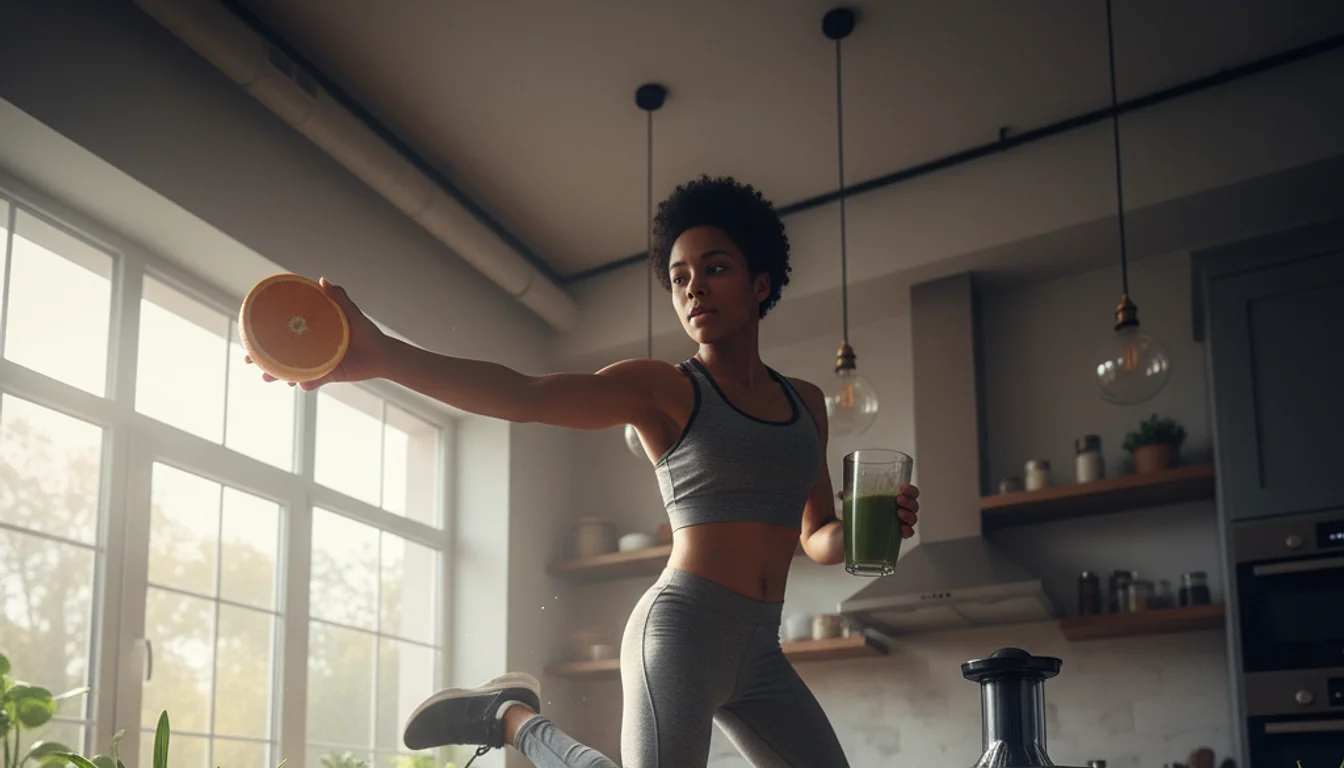
I eat nutrient-dense foods 80% of the time. The other 20%? That’s for the tacos on Friday night or the wine I have while watching Netflix. If I don’t allow myself that 20%, I end up binge-eating on the weekend. My friend Tom tried to go “100% clean” last January and he lasted exactly six days before he ate an entire box of cookies. Don’t be like Tom.
💡 Pro Tip Always keep a bag of frozen edamame in your freezer. It takes 3 minutes to steam, and it’s a massive hit of protein and fiber when you’re too tired to cook a “real” meal.
Meal Prep: Is It Actually Worth the Hype?
I used to be a meal prep skeptic. I hated the idea of spending my entire Sunday in the kitchen while the sun was out. However, I’ve realized that meal prep is worth the hype if you do it the “lazy” way. I don’t make 21 individual containers. I just prep components.
Every Sunday afternoon, usually around 4 PM while listening to a podcast, I do the following:
- Roast two big trays of veggies (peppers, broccoli, sweet potatoes).
- Cook a big pot of quinoa or brown rice.
- Boil a half-dozen eggs.
- Wash and chop my fruit so it’s ready to grab.
This takes me maybe 45 minutes, and it saves me at least 5 hours of stressful thinking during the week. When I have these components ready, “getting healthy nutrition” becomes a matter of assembly, not cooking. It makes it much easier to avoid the siren call of the UberEats app.
Supplements: What I Actually Use (and What Is Snake Oil)
Let’s be honest: the supplement industry is a mess. I’ve wasted so much money on things that promised to “melt fat” or “boost focus.” Around December 10th of last year, I did a massive pantry purge and got rid of about $200 worth of expired, useless pills. Now, I keep it very simple.
I focus on things I can’t easily get from food. For me, that’s Vitamin D (because I live in a rainy climate), a high-quality Magnesium at night, and sometimes a bit of CBD to help with the “mom-brain” stress. I’ve written about my favorite natural health supplements before, and my stance hasn’t changed: supplements should supplement a good diet, not replace it.
⚠️ Warning: Never buy supplements from “influencer” brands on TikTok without checking for third-party testing labels like NSF or USP. Most of them are just expensive vitamins that you’ll pee out anyway.
The Truth About “Miracle” Cures
If someone tells you a powder will fix your gut health in 24 hours, they are lying. Real nutrition is slow. It’s about cellular repair and consistent fuel. I noticed that my energy levels didn’t really stabilize until about three weeks after I started focusing on my protein intake. It’s not an overnight fix, and anyone selling you one is probably looking at your wallet, not your health.
How to Feed a Family Without Starting a War
This is the hardest part of how to get healthy nutrition. It’s one thing for me to eat a quinoa bowl; it’s another thing to get a 5-year-old to touch it. My son Leo thinks anything green is “poison.” that said,, I’ve found a few ways to navigate this without making two separate dinners every night.
The “Deconstructed” Meal
Instead of mixing everything together, I serve things in separate piles on the plate. If we are having tacos, I give Leo a pile of meat, a pile of cheese, and some cucumber slices. He gets the same nutrition as us, but he feels in control. It has saved me from so many tantrums. It’s a simple trick, but it changed our dinner dynamic completely.
The Smoothie Stealth Mission
I use my beat-up Ninja blender (I got it for $89 at Target three years ago and it’s still going strong!) to make “Monster Shakes.” It’s basically spinach, frozen blueberries, a banana, and some protein powder. Because it’s purple from the berries, he has no idea he’s eating a handful of greens. Is it deceptive? Maybe. Does it work? Absolutely.
“Nutrition is not a destination, it’s a way of traveling. You don’t ‘arrive’ at being healthy; you just keep making the next best choice.” — My mom, after watching me cry over a failed kale salad in 2021.
Common Mistakes to Avoid in 2026
After years of trial and error, I’ve seen some patterns. If you want to succeed, avoid these classic pitfalls that I fell into more times than I care to admit:
- Drinking your calories: I used to drink “healthy” smoothies that had 800 calories. I wasn’t losing weight and I couldn’t figure out why. Eat your fruit, don’t drink it.
- Ignoring sleep: If you don’t sleep, your hunger hormones (ghrelin and leptin) go crazy. You will crave sugar. No amount of “willpower” can beat biology.
- Buying in bulk: I once bought a 10-pound bag of chia seeds because it was a “deal.” They went rancid before I used half of them. Buy fresh, buy small until you know you’ll use it.
- Comparing your plate: Your nutritional needs are different than the 22-year-old fitness influencer you follow on Instagram. Listen to your body, not her feed.
Your Turn: How to Start Today
Don’t wait until Monday. Don’t wait until you have the perfect grocery list. Just pick one thing to change for your next meal. Maybe it’s adding a handful of spinach to your eggs, or maybe it’s swapping your soda for sparkling water. From my personal perspective, the smaller the change, the more likely it is to stick.
I feel now that my relationship with food is finally in a place of peace. I don’t fear the “bad” foods, and I don’t worship the “good” ones. I just focus on feeling good so I can keep up with my life. It’s a journey, and some days I still eat cold nuggets off my son’s plate. And that’s okay. Really. Just get back to the basics at the next meal.
✅ Key Takeaways
- Prioritize protein (25g+) at every meal to stay full. – Aim for 30g of fiber daily for gut health and stable energy. – Use “component prep” to save time without the Sunday burnout. – Follow the 80/20 rule to maintain your mental health. – Stop buying “miracle” supplements and stick to the basics.
Your turn. Let me know how it goes.
⚕️ Medical Disclaimer
This article is for informational and educational purposes only and is not intended as a substitute for professional medical advice, diagnosis, or treatment. Always seek the advice of your physician or other qualified health provider with any questions you may have regarding a medical condition. Never disregard professional medical advice or delay in seeking it because of something you have read in this article.