



Estimated Reading Time: 6 minutes
EEer felt like you’re swimming in a sea of wellness trends, trying to figure out which one’s actually worth your time? I know I have. And honestly, the whole CBD vs THC thing can feel like navigating a confusing maze.
Both come from the cannabis plant, but that’s pretty much where the easy understanding ends for most people. So, let me, your friendly neighborhood wellness enthusiast, break it down for you in a way that’s actually… well, understandable.
CBD vs THC: What’s the Real Difference?
Table of Contents
- CBD vs THC: What’s the Real Difference?
- My Personal Experiences: CBD for Calm, THC for… Well, Something Else Entirely
- The Legal Landscape of CBD vs THC (as of 2025)
- Health Benefits: What Does the Science Say?
- Navigating the Market: Quality Matters!
- How Long Does CBD Stay in Your System?
- Choosing the Right Option for You
- A Simple Checklist for Exploring CBD or THC:
- Looking Ahead: The Future of Cannabis Wellness
Okay, so imagine two siblings, both talented musicians, but one plays the calming cello (CBD) and the other rocks out on the electric guitar (THC). They both come from the same family (cannabis), but their effects are wildly different.
THC, or tetrahydrocannabinol, is the psychoactive compound. That’s the one that gets you “high.” It binds directly to receptors in your brain, messing with your perception of reality. I’m not going to lie; I have enjoyed THC in the past but nowadays, I prefer something a little more gentle.
Small change, big shift—at least for me.
CBD, or cannabidiol, on the other hand, is non-psychoactive. It won’t get you high. Instead, it interacts with your body’s endocannabinoid system (ECS), which plays a role in regulating things like mood, sleep, pain, and inflammation. Think of it as more of a subtle harmonizer, bringing your body back into balance.
It’s become my go-to for managing stress and occasional sleeplessness.
My Personal Experiences: CBD for Calm, THC for… Well, Something Else Entirely
I’ve experimented with both CBD and THC over the years, and I can tell you firsthand, the experiences are night and day. With THC, it was all about altered perceptions, giggles, and sometimes, a little bit of paranoia (especially if I overdid it – rookie mistake!).
I remember one time I accidentally ate too many edibles before a family dinner – let’s just say explaining why I was laughing uncontrollably at the mashed potatoes was… awkward.
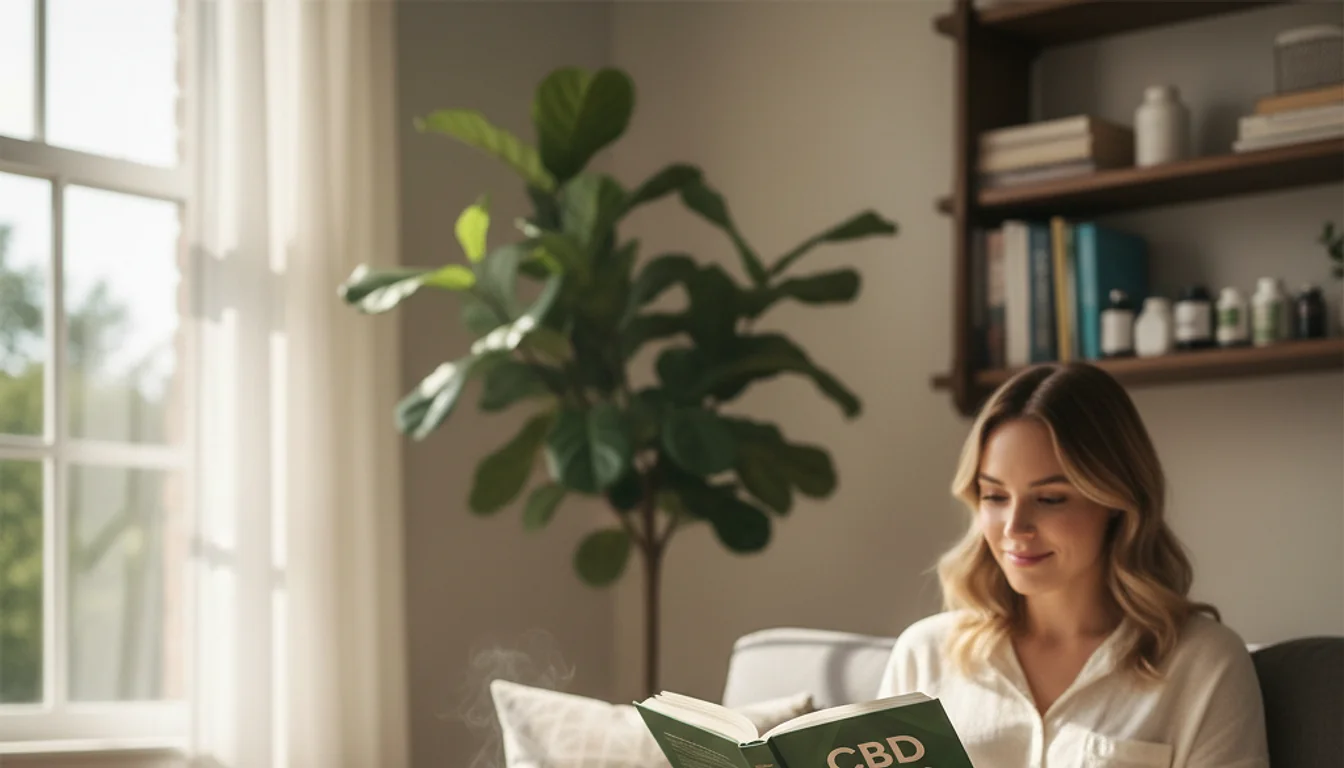
CBD, though? It’s been a game-changer for my anxiety. I started taking it a couple of years ago when I was going through a particularly stressful period at work. I was constantly on edge, couldn’t sleep, and generally felt like I was about to jump out of my skin.
Let me put it this way.
A friend recommended CBD oil, and I was skeptical, but desperate. Within a week, I noticed a significant difference. I felt calmer, more focused, and I was actually able to sleep through the night. Now, it’s a staple in my daily routine. I usually take it in the morning to help me stay grounded throughout the day.
The Legal Landscape of CBD vs THC (as of 2025)
This is where things get a little tricky, because the legal status of both CBD and THC varies wildly depending on where you live. As of 2025, many countries and states have legalized CBD derived from hemp (which contains less than 0.3% THC). THC, on the other hand, is still heavily regulated in many places.
Before you buy either, do your homework! Seriously. Check your local laws to make sure you’re not breaking any rules.
Health Benefits: What Does the Science Say?
Both CBD and THC have been studied for a variety of potential health benefits, but it’s important to note that the research is still ongoing. So, let’s compare the two.
Here’s where it feels real for me.
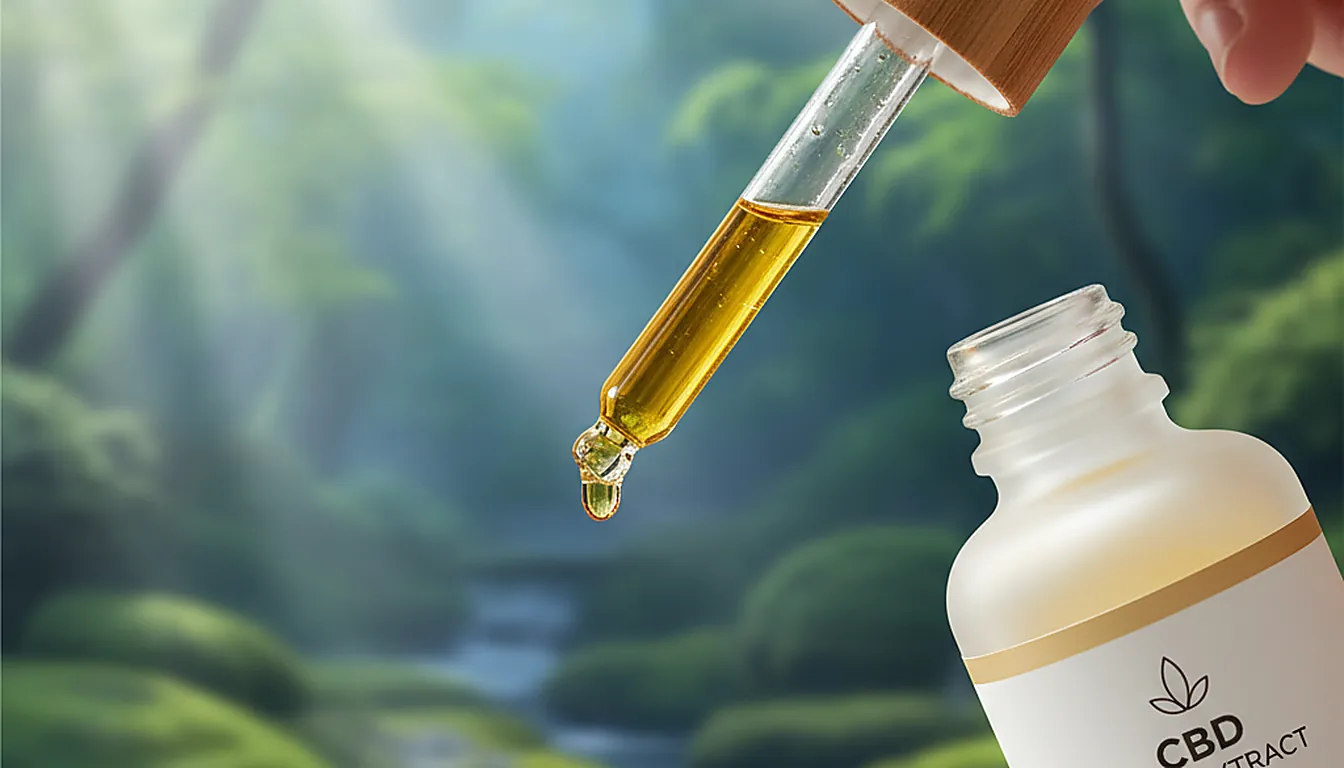
CBD: Research suggests that CBD may be effective for reducing anxiety, relieving pain, improving sleep, and reducing inflammation. I’ve personally found it helpful for all of those things.
There are also studies looking at its potential for treating epilepsy, multiple sclerosis, and even cancer, but more research is needed in those areas. For me, it helps to know that I am actively taking care of myself and my body.
THC: THC has been shown to be effective for pain relief, nausea reduction, and appetite stimulation. It’s often used to help cancer patients undergoing chemotherapy.
Some people also find it helpful for managing anxiety and PTSD, but it can also worsen these conditions in others, so it’s important to be cautious. I think that it is critical to listen to your body to see how THC impacts you individually.
I have friends that THC has helped, and some that cannot even be in the same room as it.
Navigating the Market: Quality Matters!
If you decide to try either CBD or THC, it’s crucial to buy from a reputable source. The market is flooded with products, and not all of them are created equal.
Look for products that have been third-party tested to ensure they contain the advertised amount of CBD or THC and that they’re free from contaminants like pesticides and heavy metals. Read reviews, do your research, and don’t be afraid to ask questions. It will be worth it in the long run!
I always check the certificate of analysis (COA) before buying any CBD product. This document provides detailed information about the product’s composition and purity. It’s like a nutritional label for your CBD.
How Long Does CBD Stay in Your System?
This is a common question, and the answer is… it depends! Several factors can influence how long CBD stays in your system, including your metabolism, dosage, frequency of use, and body weight. Generally, CBD can stay in your system for a few days to a week.
But, in some cases, it may be detectable for longer, especially if you’re a heavy user. I think, for me, it is out of my system within 3 days. But, I also do not use it constantly.
If you’re concerned about drug testing, it’s important to be aware that some CBD products may contain trace amounts of THC, which could trigger a positive result. Always choose broad-spectrum or CBD isolate products to minimize this risk.
Choosing the Right Option for You
Ultimately, the choice between CBD and THC depends on your individual needs and preferences. If you’re looking for a non-psychoactive way to manage anxiety, pain, or sleep, CBD may be a good option. If you’re looking for stronger pain relief or appetite stimulation, THC may be more effective.
It’s important to consider the legal status of both compounds in your area and to talk to your doctor before trying either one, especially if you have any underlying health conditions or are taking any medications.
A Simple Checklist for Exploring CBD or THC:
- Research Legal Status: Understand the laws in your specific location.
- Consult a Doctor: Discuss your health conditions and medications.
- Start Low and Go Slow: Begin with a low dose and gradually increase it until you find the right amount.
- Choose Reputable Brands: Look for third-party testing and COAs.
- Pay Attention to Your Body: Notice how each substance affects you.
Looking Ahead: The Future of Cannabis Wellness
I think the future of cannabis wellness is incredibly bright. As research continues and regulations evolve, we’ll likely see even more innovative and targeted products emerge. I’m excited to see what the next few years hold, and I’m committed to staying informed and sharing my experiences with you along the way.
So, there you have it – my honest guide to CBD vs THC. I hope this has helped you navigate the confusing world of cannabis wellness. Remember, everyone’s experience is different, so don’t be afraid to experiment and find what works best for you. And always, always prioritize your health and safety.
Disclaimer: I’m not a medical professional. This information is for educational purposes only and should not be considered medical advice. Always consult with your doctor before trying CBD or THC.