



Estimated Reading Time: 7 minutes
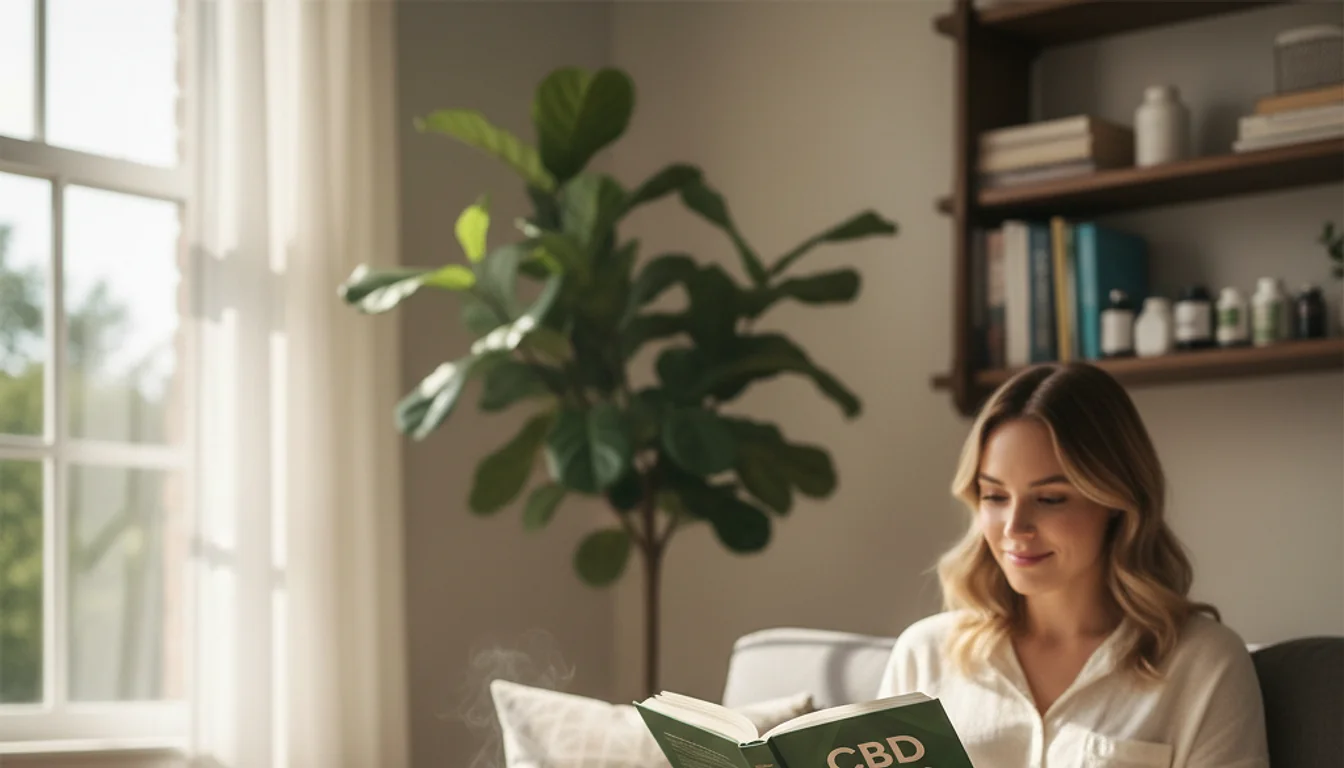
OOay, so you’re curious about CBD, huh? Welcome to the club! I was totally in your shoes not too long ago, scrolling through endless articles, feeling overwhelmed by all the jargon and conflicting information. It’s a jungle out there!
That’s why I decided to write this – my completely honest, no-BS guide to CBD for beginners. Think of me as your slightly-more-experienced friend who’s already waded through the weeds.
Let me tell you, I’m not a doctor. I am someone who has found some legitimate benefits using CBD and I just want to share what I’ve learned with you. If you are seriously ill or have any health concerns, please talk to a medical professional about it! Now, let’s dive in!
What Exactly IS CBD, Anyway? (And Why Should I Care?)
Table of Contents
- What Exactly IS CBD, Anyway? (And Why Should I Care?)
- My First CBD Experiment: Not Exactly a Hollywood Movie
- Different Ways to Take CBD: Finding Your Fit
- Dosage: The Million-Dollar Question (That Doesn’t Have a Simple Answer)
- Reading Labels: Becoming a CBD Detective
- Potential Downsides and Things to Consider
- How long does CBD stay in your system?
- Ethical Considerations and the Future of CBD
- My Final Thoughts: Be Patient, Be Informed, Be You
Alright, first things first. CBD stands for cannabidiol. It’s one of over a hundred chemical compounds called cannabinoids found in the cannabis plant. But before you get all worried about *that* plant, here’s the key thing: CBD is non-psychoactive. Meaning, it won’t get you high. That’s THC’s job.
Let me put it this way.
Think of it like this: THC is the party animal cousin, and CBD is the chill, grounded one who just wants to help you relax.
Small change, big shift—at least for me.
So, why should you care? Well, a lot of people, including myself, have found that CBD can help with a variety of issues. I started exploring CBD when I was struggling with some pretty gnarly anxiety. I felt constantly on edge, like a tightly wound spring.
My friend suggested trying CBD oil, and honestly, I was skeptical. But I was also desperate. And I’m glad I did.
My First CBD Experiment: Not Exactly a Hollywood Movie
My first experience wasn’t exactly life-changing, more of a subtle easing, a gentle unfurling of those tight mental muscles. I remember taking a few drops of the oil under my tongue before a particularly stressful work presentation. Did it magically erase my nervousness? Nope.
But it did take the edge off, allowing me to focus and get through it without feeling like I was going to spontaneously combust. That alone was a win in my book.
Now, it’s important to understand that CBD affects everyone differently. What works wonders for me might not do much for you, and vice versa. Finding the right dosage and delivery method is often a process of trial and error.
Think of it like finding the perfect pair of jeans – you might have to try on a few before you find the ones that fit just right.
Different Ways to Take CBD: Finding Your Fit
Speaking of delivery methods, you’ve got options! Here are a few common ones:
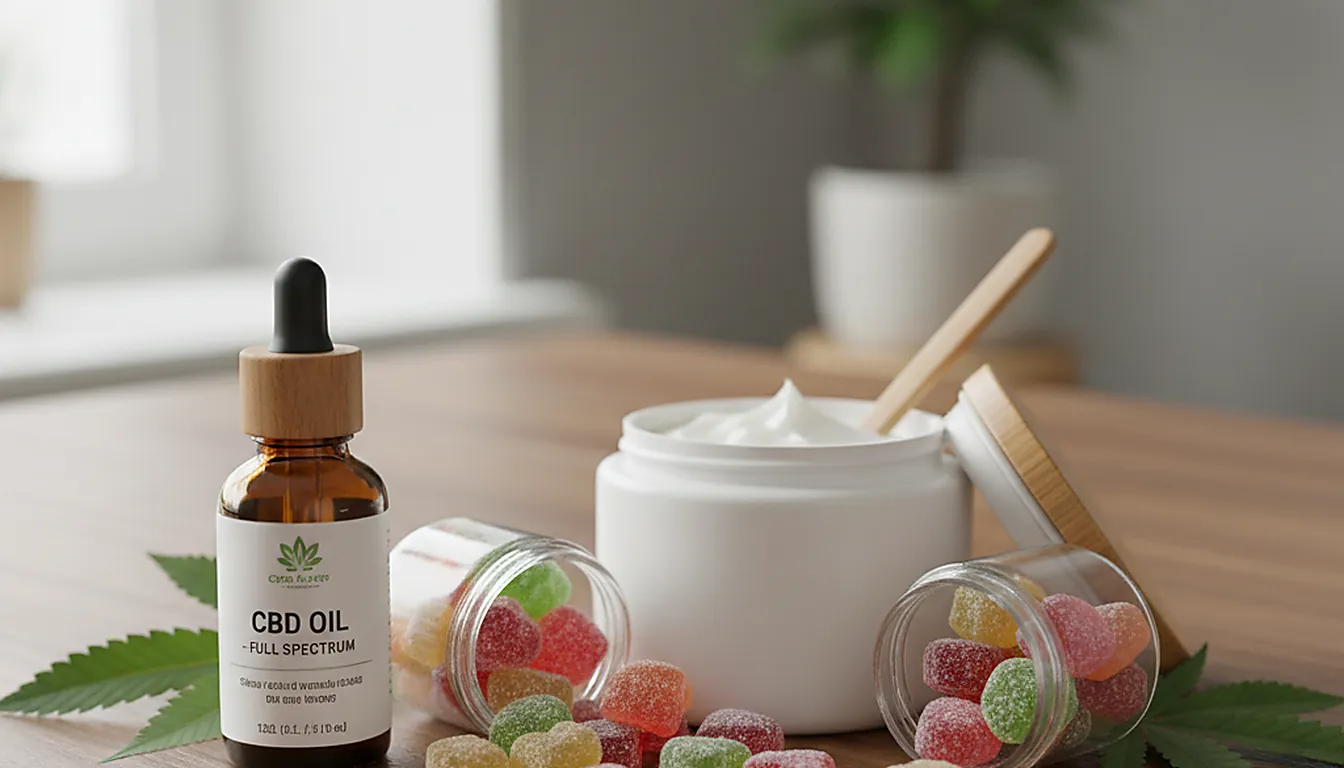
- CBD Oil (Tinctures): This is what I started with. You place a few drops under your tongue and hold it there for about 30-60 seconds before swallowing. It’s absorbed directly into your bloodstream, making it relatively fast-acting.
- CBD Capsules: These are pre-dosed capsules that you swallow like any other pill. They’re convenient, but the effects might take a bit longer to kick in because they have to go through your digestive system.
- CBD Edibles: Gummies, chocolates, cookies…the possibilities are endless! These are a fun way to take CBD, but again, the effects can be delayed and less predictable due to digestion. Plus, watch out for the sugar content!
- CBD Topicals: Creams, lotions, and balms that you apply directly to your skin. These are great for localized pain relief, like sore muscles or achy joints.
- CBD Vape: Inhaling CBD vapor allows for very rapid absorption. I personally don’t vape, but some people find it to be an effective way to get quick relief.
I primarily use CBD oil and sometimes a topical cream for muscle soreness after my workouts. Everyone’s body reacts differently, so what works for me might not work for you. I’ve heard friends talking about enjoying CBD gummies for sleep. So it truly is all about figuring out what you like and what works!
Dosage: The Million-Dollar Question (That Doesn’t Have a Simple Answer)
Okay, let’s talk dosage. This is where things can get a little tricky. There’s no one-size-fits-all answer, as the ideal dose depends on several factors, including your weight, metabolism, the severity of your condition, and the potency of the product. The best approach is to start low and go slow.
If you’re like me, you’ll appreciate this detail.
Begin with a small dose (like 5-10mg) and gradually increase it until you find the sweet spot. Keep a journal to track your dosage and how you feel. This will help you pinpoint what works best for you.
According to a 2020 report by the World Health Organization, CBD is generally well-tolerated, but it’s still crucial to listen to your body and adjust your dosage accordingly. If you experience any adverse effects, such as drowsiness or changes in appetite, reduce your dosage or discontinue use altogether.
Reading Labels: Becoming a CBD Detective
This is super important! The CBD market is still relatively unregulated, so it’s essential to do your research and choose products from reputable brands. Look for products that are third-party tested.
This means that an independent lab has verified the product’s CBD content and tested it for contaminants like heavy metals and pesticides. The Certificate of Analysis (COA) should be readily available on the company’s website.
Pay attention to whether the product is full-spectrum, broad-spectrum, or CBD isolate. Full-spectrum contains all the cannabinoids found in the cannabis plant, including a tiny amount of THC (less than 0.3%). Broad-spectrum contains most of the cannabinoids but has had the THC removed.
CBD isolate is pure CBD, with no other cannabinoids present. I personally prefer full-spectrum because of the “entourage effect,” which suggests that the cannabinoids work better together than in isolation.
Potential Downsides and Things to Consider
Okay, let’s be real. CBD isn’t a magic bullet, and it’s not without its potential downsides. While generally well-tolerated, some people may experience side effects like drowsiness, dry mouth, or changes in appetite.
CBD can also interact with certain medications, so it’s crucial to talk to your doctor before using it, especially if you’re taking prescription drugs. For example, it can amplify the effects of blood thinners.
I find it really important to not overhype CBD as a magic cure-all. It’s definitely helped me, but I still use other methods for managing my anxiety, like exercise and mindfulness. CBD is more of a supplemental tool than a complete fix.
How long does CBD stay in your system?
That’s a common question. Generally, CBD can stay in your system for anywhere from 2 to 5 days, but this can vary depending on factors like dosage, frequency of use, metabolism, and body fat percentage. For infrequent users, it might clear out faster than for those who use it regularly.
And keep in mind that drug tests typically screen for THC, not CBD. But, some full-spectrum products contain trace amounts of THC, so there’s a small risk of testing positive if you consume large quantities.
Ethical Considerations and the Future of CBD
Beyond the personal health benefits, it’s important to consider the ethical and social implications of the CBD industry. We need to ensure that the industry is sustainable, equitable, and transparent. Support companies that prioritize fair labor practices, environmental responsibility, and consumer education.
As the industry grows, we have a responsibility to shape it in a way that benefits everyone, not just a select few. I personally look for companies that use sustainable farming practices.
Looking ahead, the future of CBD is bright. Research is ongoing, and we’re likely to learn even more about its potential benefits and risks in the coming years. As regulations evolve, we can expect to see greater quality control and transparency in the market.
The industry could reach 16 billion dollars in 2026 according to Statista, so there’s a lot of movement and growth happening.
My Final Thoughts: Be Patient, Be Informed, Be You
So, that’s my take on CBD for beginners. It’s not a miracle cure, but it can be a valuable tool for managing various health concerns. The key is to do your research, start slowly, and listen to your body. Don’t be afraid to experiment and find what works best for you.
And remember, I’m just sharing my personal experience. I hope this has been helpful. Good luck on your CBD journey!
Disclaimer: I am not a medical professional. This information is for educational purposes only and should not be considered medical advice. Always consult with your doctor before using CBD, especially if you have any underlying health conditions or are taking medication.