




🔗 Affiliate Disclosure
I am a lifestyle blogger and mom, not a doctor or healthcare professional. This content is for informational purposes only and does not constitute medical advice, diagnosis, or treatment. Always seek the advice of your physician or other qualified health provider with any questions you may have regarding a medical condition or before starting any new supplement regimen.
🔗 Affiliate Disclosure
This post contains affiliate links. If you click through and make a purchase, I may receive a small commission at no extra cost to you. I only recommend products I have personally tested and found helpful in my own life.
Look, I’m not saying I’m a CBD Basics guide expert. But I’ve learned some things. Mostly through trial, error, and a significant dent in my bank account. It was back in November 2025, right around the time the holiday stress starts to kick in, that I finally hit my limit. I was standing in my kitchen in Austin, staring at a spilled gallon of organic milk while my five-year-old practiced his “indoor scream,” and I realized my caffeine-only stress management plan was failing. Miserably.
I’d seen the 120K followers on my Instagram asking about CBD for years. I’d ignored it because, honestly, I thought it was just expensive grass water. But after a particularly rough Tuesday, I walked into a boutique shop on West Sixth Street and spent $44.50 on a small bottle of tincture. I had no idea what I was doing. I didn’t know the difference between full-spectrum and isolate. I just wanted to feel like I wasn’t vibrating with anxiety. Since then, I’ve done the deep research I should have done at the start.
Quick Summary: CBD (cannabidiol) is a non-psychoactive compound from hemp that may help with stress and sleep. For beginners, start with a “Broad Spectrum” oil at a low dose (10-15mg) and always check for a Third-Party Lab Report (COA). Avoid buying from gas stations or Amazon, as quality is unregulated there.
What Is CBD and Why Is Everyone Talking About It?
Actually, let’s skip the heavy science and get to what matters. CBD stands for cannabidiol. It’s one of over a hundred compounds found in the cannabis plant, but unlike its cousin THC, it won’t make you feel “high” or leave you staring at the ceiling wondering if your cat can read your thoughts. To be honest, I was terrified I’d feel loopy while picking the kids up from school. That didn’t happen.
It works by interacting with your body’s endocannabinoid system (ECS). Think of the ECS as a giant regulatory network that tries to keep your body in balance—affecting things like mood, sleep, and even how you feel pain. A 2024 report from Harvard Health Publishing noted that CBD is most commonly used for anxiety, insomnia, and chronic pain. But here’s the kicker: it’s not a magic “off” switch for your problems. It’s more like a “dimmer” switch for the noise in your head.
The Legal Bit (As of 2026)
that said,, the legal market is still a bit of a mess. Under the 2018 Farm Bill, hemp-derived CBD is legal federally in the U.S. as long as it contains less than 0.3% THC. However, some states have their own specific rules. I always tell my friends to check their local laws before traveling with it. I once got nervous flying out of Austin-Bergstrom with a bottle in my carry-on, but TSA is generally looking for safety threats, not your mom-juice supplement.
The Three Main Types of CBD You’ll Encounter
When I first started, I thought CBD was just CBD. I was wrong. I ended up buying a “CBD Isolate” powder for $30 that did absolutely nothing for me. It felt like a waste of money because I didn’t understand the “Entourage Effect.” This is the idea that the compounds in hemp work better together than they do alone. If you’re looking for the best results, you need to know what’s in the bottle.
Full Spectrum: The Whole Plant
This contains everything the plant has to offer—CBD, minor cannabinoids like CBG and CBN, terpenes (the stuff that makes it smell), and a tiny bit of THC. It’s generally considered the most effective. However, if you have a job that requires strict drug testing, be careful. Even that 0.3% can sometimes cause a false positive over time. I learned this the hard way when my friend Rachel, who is a nurse, had to stick strictly to Broad Spectrum just to be safe.
Broad Spectrum: The Middle Ground
This is what I usually recommend to my followers. It has all the good stuff from the plant, but the THC has been specifically filtered out. It gives you that “entourage effect” without the THC worry. If you’ve read my review of natural health supplements, you know I’m all about finding that balance between efficacy and safety.
💡 Pro Tip If you hate the taste of “dirt” or “grass,” look for Broad Spectrum oils flavored with peppermint or citrus. Raw Full Spectrum oil can be very bitter.
How to Read a CBD Label Without Losing Your Mind
The CBD industry is still the Wild West. Last Tuesday, I saw a bottle at a gas station that claimed to have “10,000mg of Hemp Oil” for $15. Warning: Hemp seed oil is NOT the same as CBD oil. Hemp seed oil is great for salad dressing, but it contains zero CBD. It’s a classic marketing trick to fool people who are just starting out.
To ensure you aren’t getting scammed, you must look for a Certificate of Analysis (COA). This is a lab report from a third party that proves what’s actually in the bottle. If a brand doesn’t have a QR code on the label linking to these results, put it back. I once bought a “cheap” brand online for $25 and later found out it had zero CBD and traces of lead. Never again. I’ve written about these expensive lessons in my CBD brand comparison guide.

What to look for on the COA:
- Cannabinoid Profile: Does the CBD amount match the label?
- Pesticides: Should be “ND” (None Detected).
- Heavy Metals: Hemp sucks up everything from the soil, so this must be clean.
- Residual Solvents: You don’t want to be eating butane or ethanol used in extraction.
⚠️ Warning: Never buy CBD on Amazon. As of early 2026, Amazon technically prohibits the sale of CBD. Most products listed there as “Hemp Oil” are just expensive hemp seed oil with no therapeutic value.
Finding Your “Sweet Spot” Dosage
How should I put it? CBD dosage is incredibly personal. My husband takes 50mg and feels nothing; I take 15mg and I’m ready for a nap. There is no “standard” dose because everyone’s metabolism and ECS are different. A 2024 study in the Journal of Dietary Supplements found that doses used in clinical trials range from 20mg to 1,500mg per day, which is a massive range.
When I started, I made the mistake of taking a huge dose (50mg) right before a PTA meeting. I didn’t feel high, but I felt so relaxed I could barely follow the conversation about the upcoming bake sale. It was embarrassing. From my personal perspective, the “Low and Slow” method is the only way to go.
- Start Low: Begin with 10-15mg of CBD per day.
- Consistency is Key: Don’t just take it when you’re stressed. Take it at the same time every day for a week. CBD builds up in your system.
- Track Your Feelings: I keep a little note on my phone. “Tuesday: 15mg, felt less snappy at dinner.”
- Increase Gradually: If you don’t feel anything after 5-7 days, increase by 5mg.
💰 Cost Analysis
$15.00
$65.00
Methods of Delivery: Gummies, Oils, or Creams?
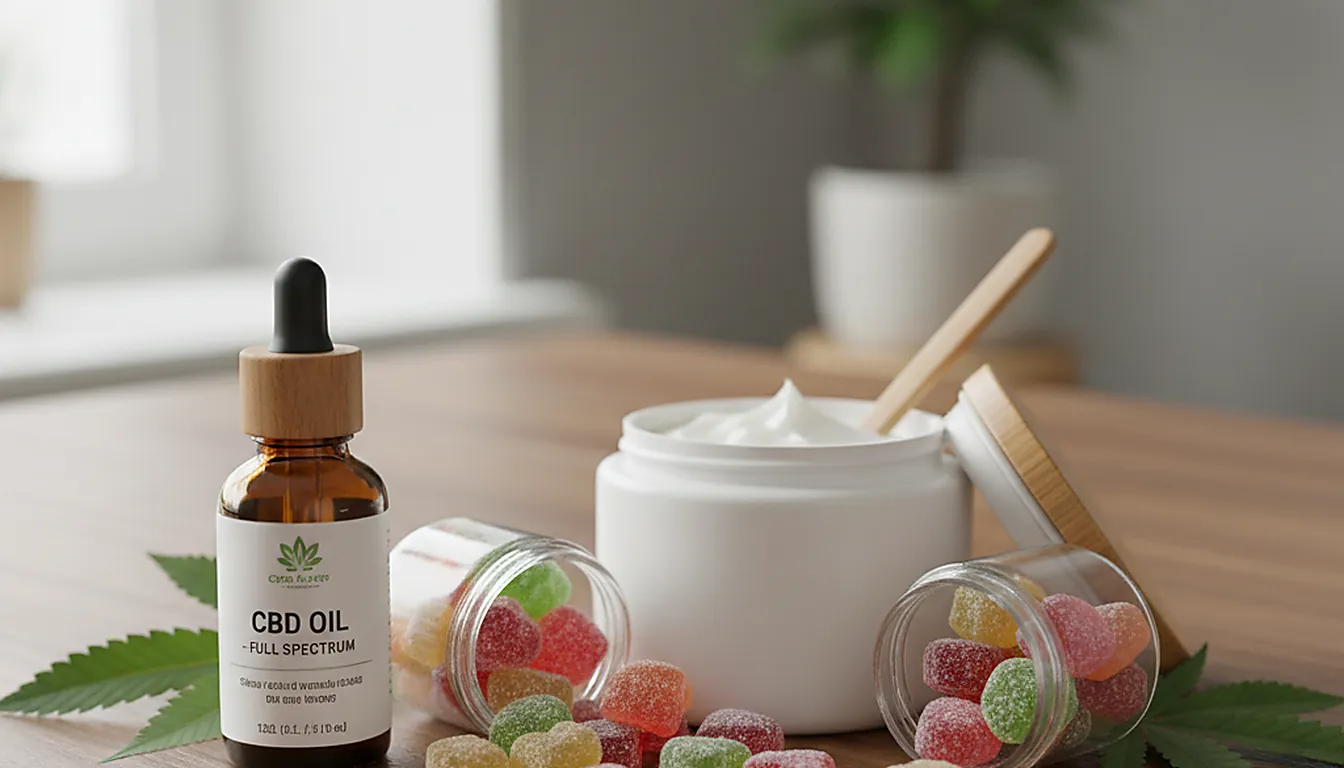
I feel now that I’ve tried every delivery method under the sun. My bathroom cabinet looks like a CBD pharmacy. Choosing the right one depends on what you’re trying to fix. Are you dealing with overall anxiety, or just a sore lower back from carrying a toddler all day? Each method has a different “bioavailability”—which is just a fancy way of saying how much of the CBD actually makes it into your bloodstream.
Tinctures (Oils)
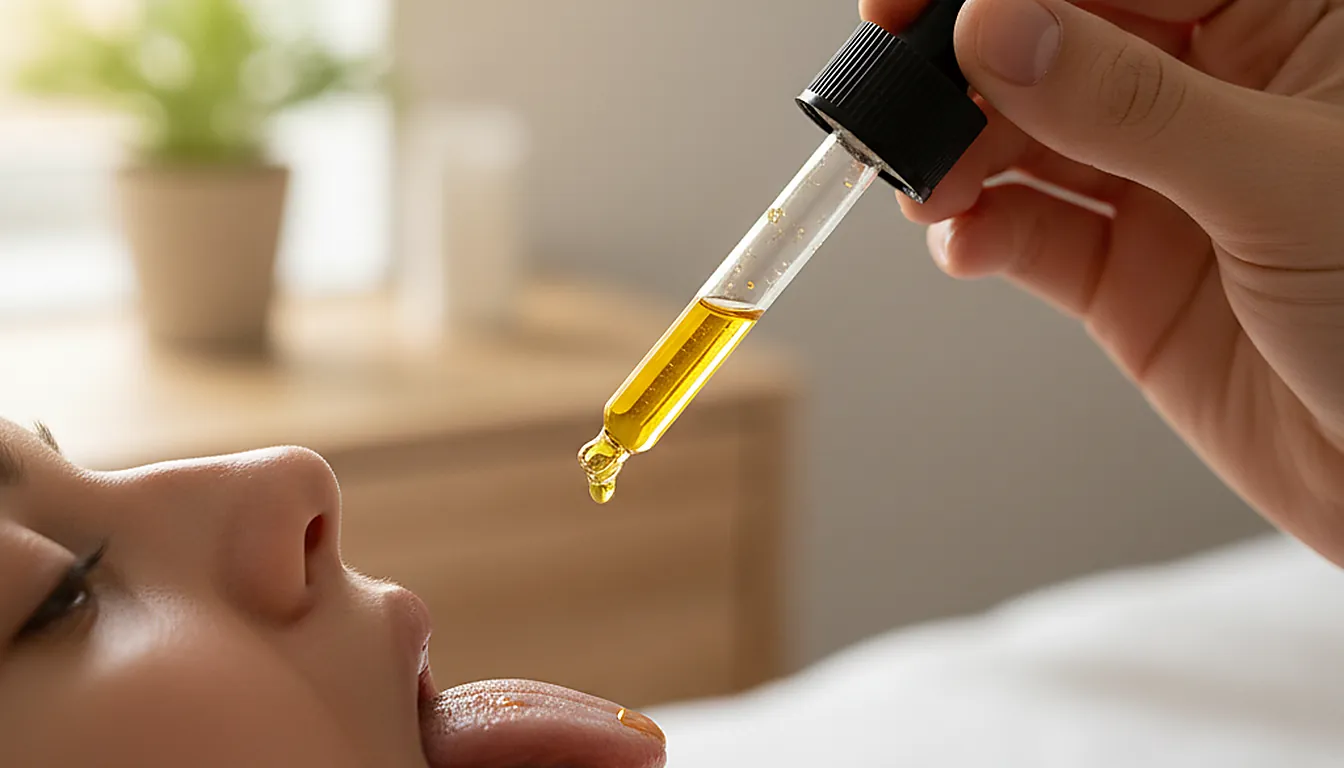
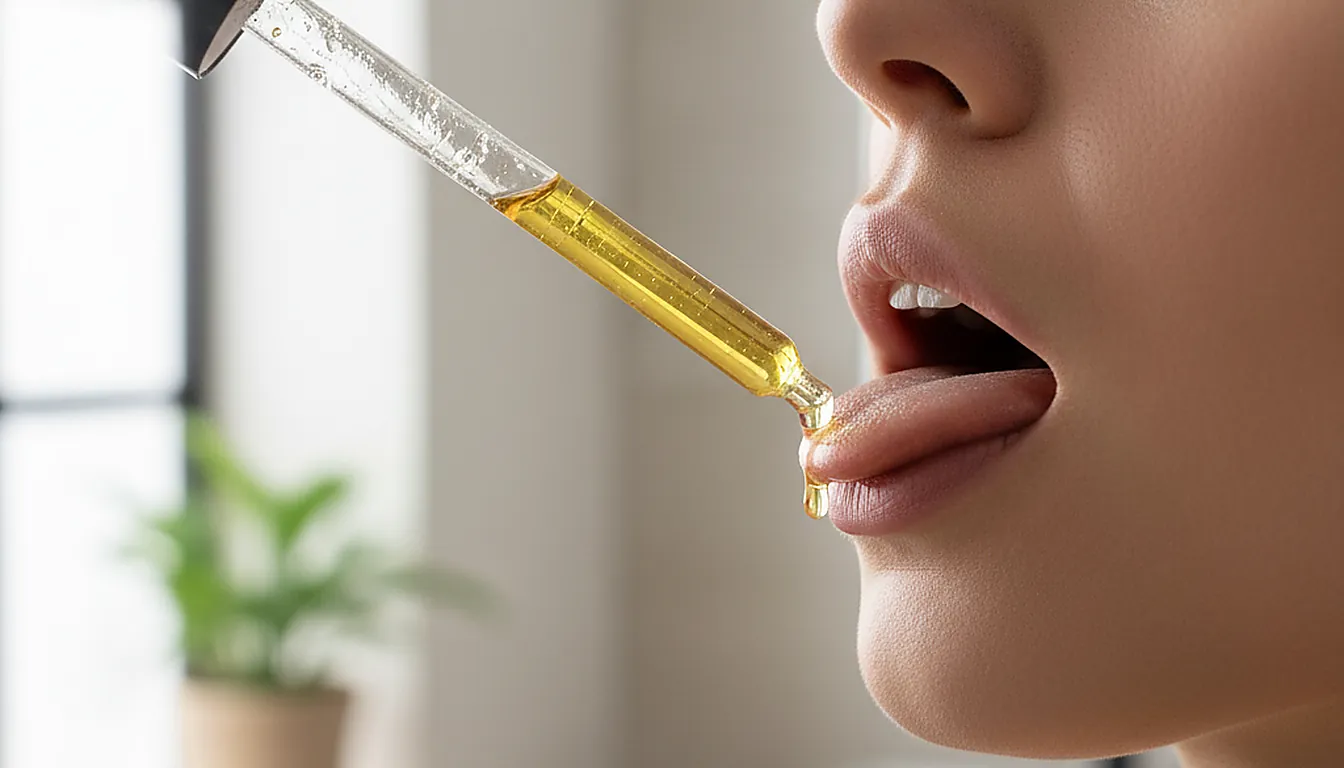
This is my preferred method. You drop the oil under your tongue and hold it there for 60 seconds. It bypasses your digestive system and gets into your blood faster. You usually feel it within 20-30 minutes. I use a brand called Garden of Life (specifically their Whole Hemp Extract) which I buy at Whole Foods for about $55. It’s reliable, though the flavor is…. very green.
Gummies and Edibles
These are great because they taste like candy and the dosage is pre-measured. But, they have to go through your liver first. You might only absorb 10-20% of the CBD in the gummy, and it can take 2 hours to kick in. I usually save these for long flights or days when I know the afternoon is going to be chaotic. Just be careful with the sugar content—some of these “health” supplements are basically gummy bears in disguise.
Topicals (Creams and Balms)
If you have a specific “ouchie,” like my left shoulder that always hurts from my heavy camera bag, topicals are great. They don’t really enter your bloodstream, so they won’t help with anxiety, but they are fantastic for localized relief. I used a 500mg cooling stick I bought in January 2026, and it’s been a lifesaver for my neck tension.
The Truth About Downsides and Side Effects
I’m not going to sit here and tell you CBD is perfect. It’s not. To be honest, I’ve had some days where CBD actually made me feel more tired than I wanted to be. If I take it too late in the morning, I get that “mid-afternoon slump” around 2 PM, right when I need to be sharpest. I’ve also noticed that if I take it on an empty stomach, I get a little bit of “sour stomach” or mild nausea.
According to The Mayo Clinic, other potential side effects include dry mouth, diarrhea, and reduced appetite. Most importantly, CBD can interact with certain medications, especially blood thinners or anything with a “grapefruit warning.” I’m always surprised how many people don’t know this. If your medication says “do not consume with grapefruit,” you absolutely need to talk to your doctor before trying CBD. It uses the same enzyme in your liver to process.
Another downside? The cost. Good CBD is expensive. If you’re on a tight budget, you might find it hard to maintain a daily routine. I’ve had to cut back on my expensive meal prep habits just to afford my high-quality tinctures. You have to decide where your “wellness budget” goes.
✅ Key Takeaways
- Always look for a Third-Party Lab Report (COA) to ensure safety and potency. – Start with a low dose (10-15mg) and be consistent for at least a week. – Understand the difference between Full Spectrum (some THC) and Broad Spectrum (No THC). – Check for drug interactions if you are on other medications. – Don’t expect a “high”; expect a subtle lowering of the stress volume.
Look, navigating the world of CBD is a journey. I’m still learning every day, and what worked for me last November might not be what I need by next summer. The most important thing is to listen to your own body and be a smart consumer. Don’t let the flashy marketing fool you—stick to the labs and the logic.
What’s your experience been like? Have you found a brand that actually works, or did you feel like you wasted your money? Genuinely curious.