




Estimated Reading Time: 7 minutes
LLt’s face it, navigating the world of CBD can feel like wading through alphabet soup. One minute it’s everywhere, the next you’re wondering if you’re accidentally breaking the law. I remember the first time I heard about CBD.
It was at my yoga studio, and everyone was raving about it for everything from post-workout recovery to calming pre-presentation jitters. I was intrigued, but also a little hesitant. The big question swirling in my mind? Is CBD legal?
So, Is CBD Legal? The Short Answer (and the Slightly Longer One)
Table of Contents
- So, Is CBD Legal? The Short Answer (and the Slightly Longer One)
- Navigating the Legal Maze: State-by-State Breakdown
- Understanding Hemp vs. Marijuana: Why It Matters for CBD
- Why All the Fuss? A Little History of CBD Regulation
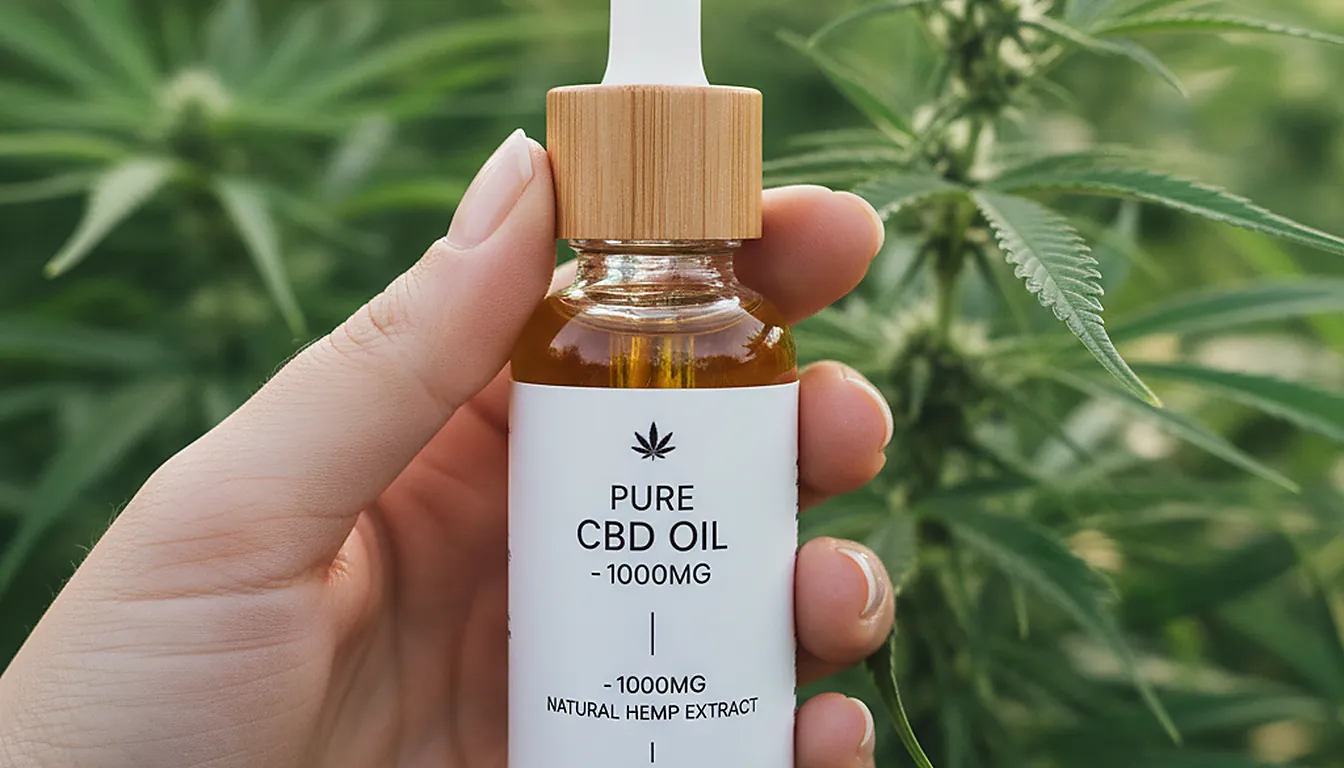
- What to Look for on the Label: Avoiding Legal Trouble
- Expert Insight: What the Professionals Say About CBD Laws
- How Long Does CBD Stay in Your System? And Does That Affect Legality?
- My Personal CBD Routine (and Why I’m Careful)
- The Future of CBD Laws: What to Expect
- Final Thoughts: Stay Informed, Stay Safe, Stay Legal
The super-short answer is: generally, yes, at the federal level in the US. Thanks to the 2018 Farm Bill, hemp-derived CBD with less than 0.3% THC is legal. But, and this is a big but, things get a lot more complicated when you zoom in on individual state laws.
What’s legal in California might not be in Idaho, and that’s where the confusion really kicks in. It’s 2025 now, and honestly, things haven’t gotten dramatically simpler!
So, back to the point.
Think of it like this: the federal government set a basic framework, but individual states get to build their own houses on that foundation. Some states have embraced CBD fully, while others still have significant restrictions or even outright bans. It really depends on where you live. And this is why it’s so important to do your homework!
Navigating the Legal Maze: State-by-State Breakdown
Okay, let’s get down to the nitty-gritty. Trying to cover every single state’s laws in detail would be impossible in one blog post (and frankly, incredibly boring!). Instead, I want to highlight some of the key variations and give you some resources to find out the specific laws in your state.
Remember to always verify information with official sources and consult with legal professionals if you’re uncertain. This information isn’t legal advice, folks!
Some states have legalized CBD for recreational and medicinal purposes, mirroring their approach to cannabis in general. Other states allow it only for specific medical conditions and require a doctor’s prescription.
So, back to the point.
And some states still treat CBD with a high degree of suspicion, placing significant restrictions on its sale and use. I’ve found that states with more progressive cannabis laws tend to be more accepting of CBD, but that’s just a general observation.
Understanding Hemp vs. Marijuana: Why It Matters for CBD
This is crucial. The key difference between legal CBD and illegal CBD comes down to its source: hemp or marijuana. Hemp and marijuana are both varieties of the cannabis plant, but they have very different THC (tetrahydrocannabinol) levels. THC is the psychoactive compound that gets you “high.”
Hemp, by legal definition, contains 0.3% THC or less. CBD derived from hemp is generally legal under federal law. Marijuana, on the other hand, contains higher levels of THC and is subject to much stricter regulations, even in states where it’s legal for recreational or medical use.
If your CBD product is derived from marijuana, its legality depends on the specific marijuana laws in your state.
Why All the Fuss? A Little History of CBD Regulation
To understand why the legal landscape of CBD is so complicated, it helps to know a bit of its history. For decades, all cannabis plants were lumped together and largely illegal.
The 2018 Farm Bill was a game-changer because it explicitly distinguished hemp from marijuana and legalized hemp cultivation and the production of hemp-derived products, including CBD, at the federal level.
But, this federal legalization opened the floodgates for a largely unregulated CBD market. States were left to grapple with how to regulate CBD products, leading to the current patchwork of laws we see today.
Even today, there are ongoing debates about the appropriate level of regulation for CBD, particularly when it comes to product safety, labeling, and marketing. The FDA hasn’t issued clear guidance on the use of CBD in food and beverages, which continues to fuel uncertainty.
What to Look for on the Label: Avoiding Legal Trouble
So, you’ve decided to try CBD. How do you make sure you’re staying on the right side of the law? Here are a few key things to look for on the product label:

If you’re like me, you’ll appreciate this detail.
- Hemp-derived: Make sure the product clearly states that it’s derived from hemp.
- THC content: Look for a statement indicating the THC content is less than 0.3%.
- Third-party testing: Reputable CBD companies will have their products tested by independent labs to verify their potency and purity. Look for a certificate of analysis (COA) that confirms the THC content and the absence of harmful contaminants.
- Manufacturer information: A legitimate company will provide clear contact information and details about their manufacturing processes.
I always err on the side of caution and buy from well-known brands with a reputation for quality and transparency. It might cost a bit more, but it’s worth it for peace of mind. Plus, quality CBD just plain works better! I’ve definitely noticed a difference in effectiveness depending on the brand I use.
Expert Insight: What the Professionals Say About CBD Laws
To give you a more authoritative perspective, it’s worth noting insights from experts in the field.
According to a 2024 report by the Brightfield Group, a leading cannabis market research firm, the CBD industry is projected to continue growing despite the regulatory challenges, but states with clear and consistent regulations will likely see the most significant growth.
Their research highlights the need for greater federal clarity to provide businesses with a more stable and predictable operating environment.
Also, consider this from Dr.
Ethan Russo, a renowned neurologist and cannabinoid researcher, who stated in a recent interview that “the legal status of CBD is still evolving, and consumers need to be well-informed about the laws in their specific location to avoid any potential legal issues.” His advice underscores the importance of staying updated on the latest regulations.
How Long Does CBD Stay in Your System? And Does That Affect Legality?
This is a common question, and while it doesn’t directly relate to whether is cbd legal, it’s important for anyone using CBD, especially if drug testing is a concern.
The amount of time CBD stays in your system varies depending on several factors, including dosage, frequency of use, metabolism, and body fat percentage. Generally, CBD can be detected in urine for a few days to a week, but it can stay in your hair follicles for much longer – potentially up to 90 days.
Now, the crucial point here: drug tests typically screen for THC, not CBD. But, because many CBD products contain trace amounts of THC (less than 0.3%), there’s a risk of testing positive if you’re consuming high doses of CBD regularly, especially if the product isn’t properly tested for THC content.
That’s another reason why choosing reputable brands with third-party testing is so important.
My Personal CBD Routine (and Why I’m Careful)
I use CBD oil daily to manage stress and anxiety. I’ve found it incredibly helpful, but I’m always mindful of the legal considerations. I live in a state with relatively relaxed CBD laws, but I still make sure to buy from reputable sources and keep an eye on any changes in regulations.
I also travel frequently, so I always double-check the CBD laws in the states I’m visiting.
For example, I usually use a full-spectrum CBD oil in my coffee in the morning. I find that it calms my nerves and helps me get through the day with a little less stress. I also use a CBD topical cream after workouts to help with muscle recovery. It really works! But again, always double-checking those labels and legalities!
The Future of CBD Laws: What to Expect
Predicting the future is always tricky, but I expect to see continued evolution in CBD laws over the next few years. There’s a growing push for greater federal regulation of CBD products to ensure consumer safety and standardize product labeling.
I also anticipate that more states will legalize or further clarify their CBD laws as the market matures and the public becomes more familiar with CBD.
Final Thoughts: Stay Informed, Stay Safe, Stay Legal
Navigating the legal landscape of CBD can be confusing, but it’s worth the effort to understand the laws in your area and choose products from reputable sources. Remember to stay informed about any changes in regulations, and don’t hesitate to consult with legal professionals if you have any questions or concerns.
Ultimately, CBD can be a valuable tool for wellness, but it’s important to use it responsibly and legally.
So, is cbd legal? It’s a nuanced question, but hopefully, this has cleared some of the fog. Happy CBD-ing, and stay safe out there!