


Executive Summary & Key Takeaways
Light is the most potent biological zeitgeber (time-giver) governing human hormone synthesis, cognitive alertness, and cellular mitochondrial function. Learn how to align your indoor living environment with natural daylight cycles.
\n

\n
The Master Biological Clock
\n
Deep within the hypothalamus sits the suprachiasmatic nucleus (SCN)?the master circadian pacemaker controlling every single biological clock in your body, from liver metabolism to cellular DNA repair. The SCN is synchronized exclusively through photons entering your retinas.
Living in constant indoor dimness by day followed by intense blue light exposure by night creates ‘circadian desynchrony,’ a chronic state associated with insomnia, metabolic slowing, and depressed dopamine production.
\n
The 3 Daily Light Checkpoints
\n
Optimize your hormonal rhythm by hitting these three daily photic milestones:
- Morning Sun Anchor (Within 30m of waking): Step outside for 10-15 minutes of direct sunlight without sunglasses. High-intensity lux wavelengths activate melanopsin receptors, spiking cortisol for alert energy and starting the 16-hour countdown for melatonin release.
- Midday Solar Zenith: Take a 20-minute walk around noon when solar elevation is highest; this stimulates vitamin D3 synthesis and reinforces daytime wakefulness.
- Sunset Spectrum Alignment: Watch the sunset. The low solar angle and reddish-orange twilight hues inform the SCN that night approaches, preparing the body for evening relaxation.
\n
Indoor Lighting Protocol After Dark
\n
After 8:00 PM, turn off all overhead ceiling fixtures. Switch exclusively to low-altitude perimeter lighting: salt lamps, amber-tinted incandescent bulbs, or beeswax candles positioned below eye level to mimic the natural glow of an ancient campfire.
\n
Circadian Light Phase & Hormone Profile
\n
| Time of Day | Sun Position & Color Temp | Dominant Hormone | Indoor Lighting Action |
|---|---|---|---|
| Morning (6:00 – 9:00 AM) | Low angle, high lux blue/white | Cortisol & Serotonin | Open all window blinds; step outdoors |
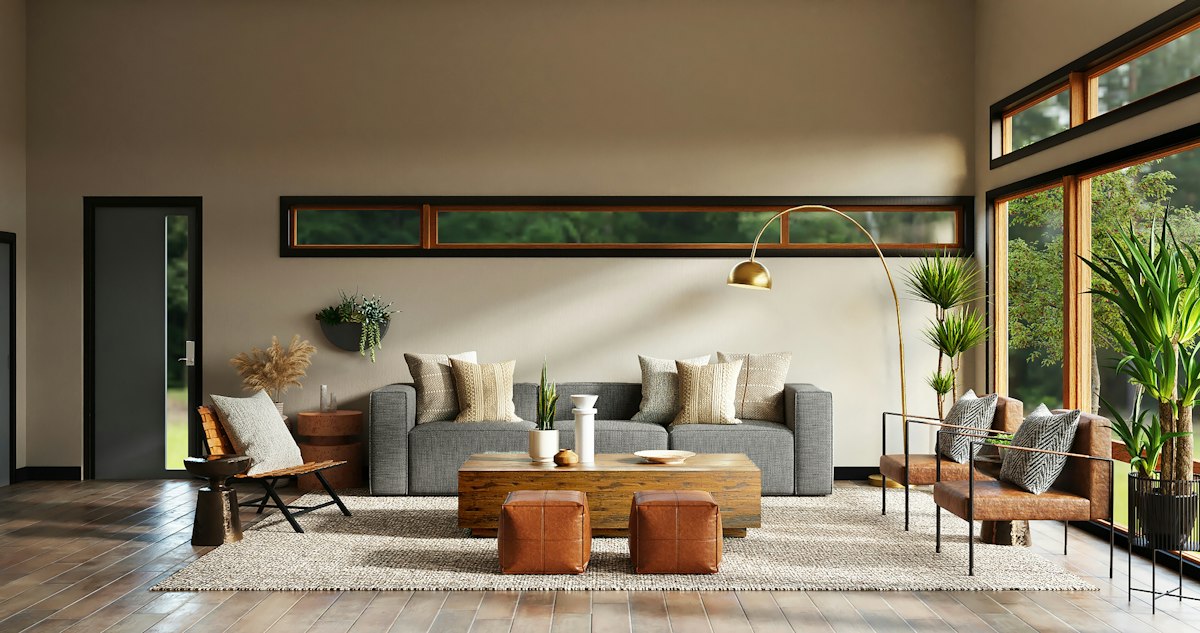
| Midday (11:00 AM – 2:00 PM) | Peak elevation, full spectrum | Vitamin D & Dopamine | Maximize natural indoor light; outdoor break |
| Sunset (6:00 – 8:00 PM) | Low angle, warm red/amber | Melatonin synthesis begins | Dim overhead lights, switch to warm lamps |
| Night (9:00 PM – Dawn) | Complete darkness / moonlight | Peak Melatonin & Growth Hormone | Blackout curtains, strictly amber lighting |
\n
Pro Tip: Install red or amber light bulbs (under 600nm wavelength) in your bedside lamps and bathroom fixtures; this ensures nighttime bathroom visits never disrupt deep melatonin synthesis.
\n
The Natural Living Vision
Natural living is an enduring path of conscious alignment?eliminating hidden chemical burdens, embracing botanical simplicity, and creating spaces that nurture life. Each mindful swap brings your home closer to harmony with the living world.