



Executive Summary & Key Takeaways
What you eat matters, but *how* you eat is equally crucial for nutrient absorption. Discover the neurobiology of the cephalic phase of digestion, how chewing speed dictates enzyme secretion, and practical mindful mealtime rituals.
\n
\n
The Forgotten Cephalic Phase of Digestion
\n
Digestion does not begin in your stomach?it begins in your brain. The cephalic phase of digestion accounts for up to 30% of total gastric juice secretion. When you look at food, smell aromatic spices, and anticipate eating in a relaxed posture, your parasympathetic nervous system sends electrical signals down the vagus nerve.
These signals prime your salivary glands with amylase enzymes, stimulate stomach parietal cells to secrete hydrochloric acid (HCl), and instruct the gallbladder to release concentrated bile for fat emulsification. Eating while driving, walking, or answering frantic emails halts this crucial preparatory cascade.
\n
The Mechanical Miracle of Chewing
\n
Your stomach does not have teeth. Swallowing large, unchewed chunks of food forces the stomach to work excessively hard, leaving undigested protein peptides to enter the small intestine where they ferment, feeding gas-producing bacteria and triggering post-meal bloating.
- Aim for 20-30 Chews per Bite: Liquefying solid food before swallowing exposes maximum surface area to digestive enzymes.
- Put Your Utensils Down: Resting your fork between bites interrupts the mechanical rhythm of shoveling food unconsciously.
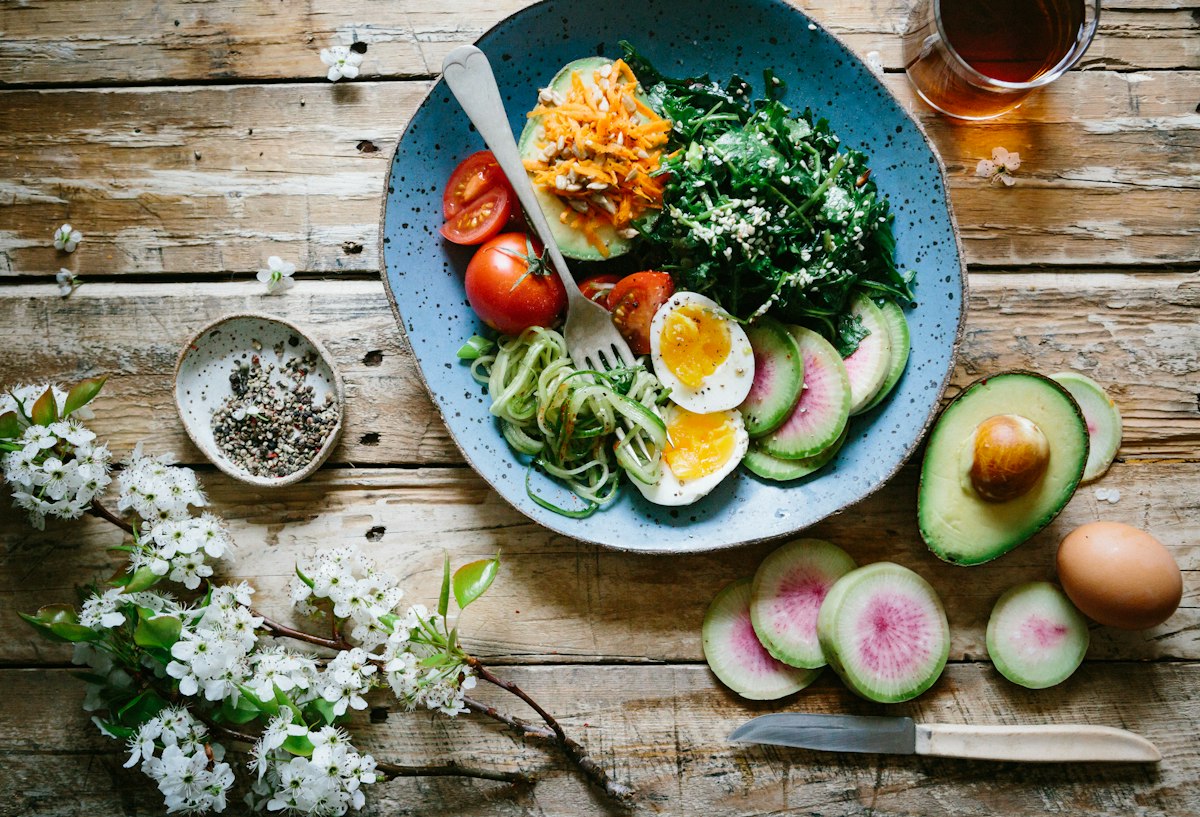
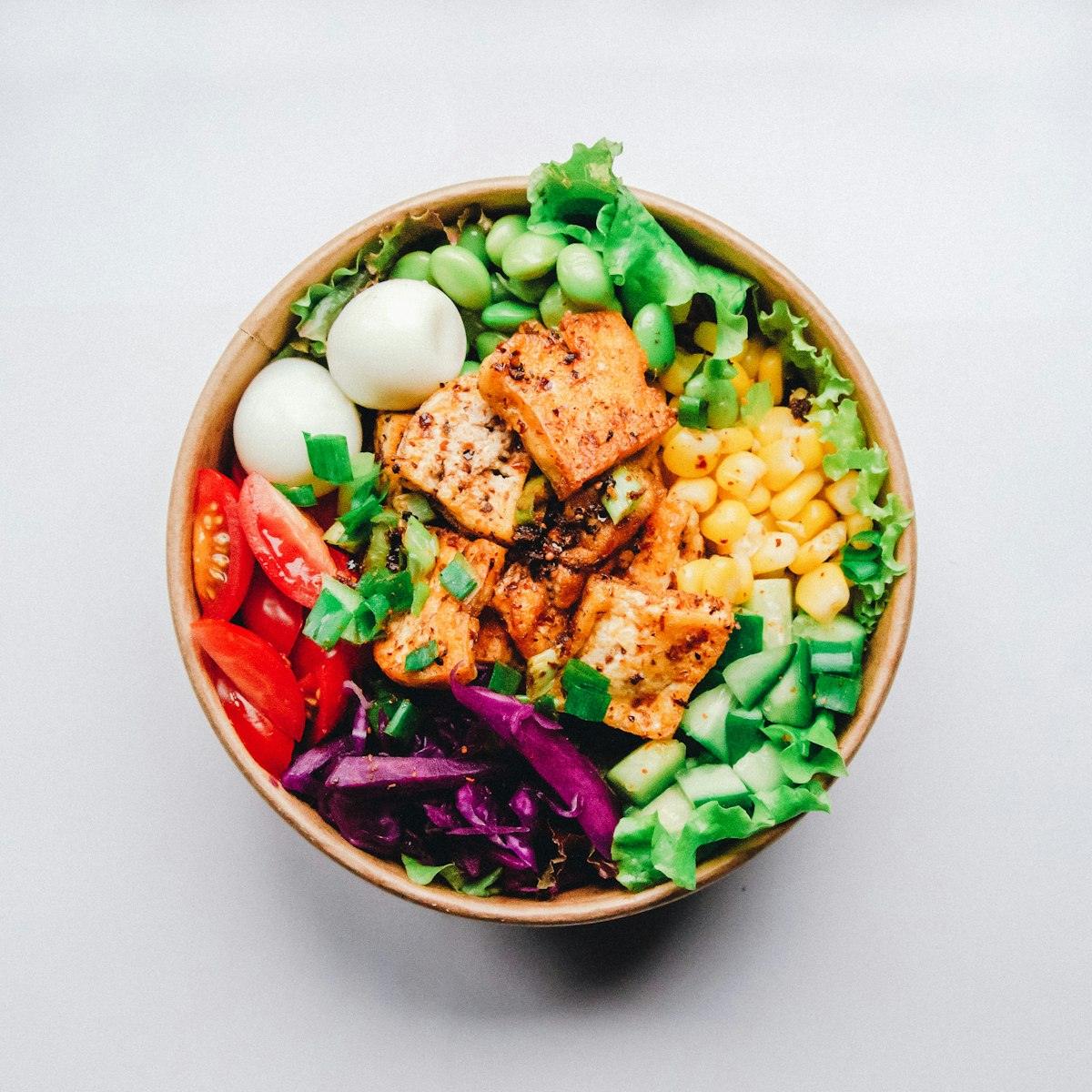
- Engage All Five Senses: Notice the crunch, temperature contrast, aroma, and vibrant visual palette of your meal.
\n
The Post-Meal Stroll (Somatic Movement)
\n
Adopt the Italian tradition of *passeggiata*?a gentle 10-minute walk after lunch or dinner. Light ambulation stimulates gastric motility and blunts postprandial blood glucose spikes by up to 25% without placing stress on the digestive tract.
\n
Rushed vs. Mindful Eating Physiological Impact
\n
| Physiological Marker | Rushed / Distracted Eating | Mindful Sensory Eating |
|---|---|---|
| Nervous System State | Sympathetic (Fight or Flight) | Parasympathetic (Rest & Digest) |
| Stomach Acid Secretion | Blunted HCl production | Robust, optimal enzyme release |
| Satiety Signal (Leptin) | Delayed by 15-20 minutes | Clear signals prevent overeating |
| Post-Meal Digestion | Bloating, gas, lethargy | Smooth energy, effortless digestion |
\n
Pro Tip: Take three deep diaphragmatic breaths (inhale 4 seconds, exhale 6 seconds) before taking your very first bite of any meal; this instantly flips your autonomic nervous system into parasympathetic mode.
\n
Wholesome Nutritional Wisdom
Food is far more than mere calories?it is biological information that instructs your genes, regulates your microbiome, and shapes your cognitive longevity. Eating with intention and reverence is the greatest investment in your lifelong vitality.