




🔗 Affiliate Disclosure
The information in this article is based on my personal experience as a lifestyle blogger and mother. I am not a doctor or a certified nutritionist. Please consult with a healthcare professional before making significant changes to your diet, especially if you have underlying health conditions.
Look, I’m not saying I’m a low calorie dinner expert. But I’ve learned some things. Mostly by failing. If you had asked me back in 2021, right after I had my second kid, I would have told you that a low calorie dinner meant a sad piece of grilled chicken and three stalks of limp asparagus. I hated it. I was cranky, my kids were confused why Mommy was eating “sad food,” and I usually ended up face-first in a bag of tortilla chips by 9:00 PM anyway.
Fast forward to late 2025, and things look a lot different in my Austin, Texas kitchen. I’ve realized that the “secret” isn’t about eating less; it’s about eating more of the right stuff. It took me three years of running my blog and managing a household of four to realize that if a meal doesn’t taste good, I’m not going to stick with it. Period. Last Tuesday, October 14, I made a 400-calorie shrimp “scampi” using hearts of palm pasta that actually satisfied my husband, and that felt like a bigger win than hitting 120K followers on Instagram.
Quick Summary: A successful low calorie dinner focuses on volume eating—filling your plate with high-fiber, low-density foods like leafy greens and cruciferous vegetables paired with lean proteins. My 2026 approach prioritizes 15-minute meals under 500 calories that the whole family will actually eat, moving away from restrictive “diet culture” and toward sustainable, flavor-first nutrition.
What Actually Defines a Low Calorie Dinner in 2026?
A low calorie dinner is a meal typically ranging between 300 and 500 calories that maximizes nutrient density through lean proteins, complex carbohydrates, and high-fiber vegetables. In 2026, the focus has shifted from simple restriction to “volume eating,” which allows for larger portions that trigger physical fullness while maintaining a caloric deficit. This approach helps stabilize blood sugar and prevents the late-night hunger spikes that often derail healthy eating efforts.
Honestly, for a long time, I thought “low calorie” was just a marketing buzzword used to sell cardboard-tasting frozen meals. But after reading a 2024 study in the British Journal of Nutrition, I realized that satiety (the feeling of being full) is more about the weight and volume of food rather than just the caloric count. That was a lightbulb moment for me. I started swapping half my pasta for zucchini noodles, and suddenly, I wasn’t starving an hour after eating.
If you’re struggling to find your rhythm, you might find my experience with mastering healthy nutrition without losing my mind helpful. It covers the mindset shift I had to go through before I could even think about calories without getting stressed out.
The Volume Eating Secret: How I Stopped Being Hungry
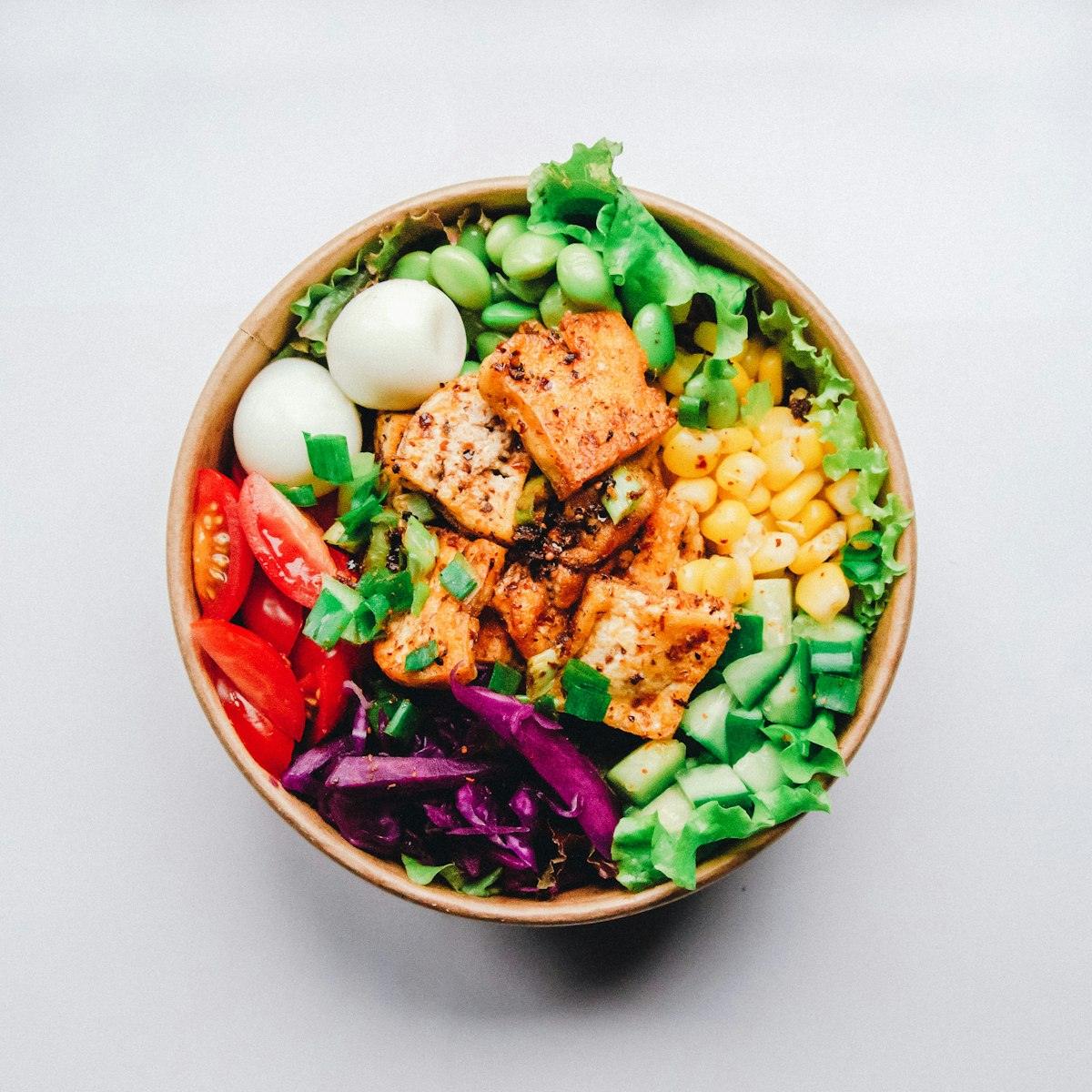
I remember sitting on my living room couch around 2:30 AM last November, scrolling through Reddit threads about weight loss. Everyone was talking about “volume eating.” At first, I was skeptical. I thought it sounded like a fancy way to say “eat a giant bowl of grass.” But then I tried it. I started adding two cups of spinach to every single meal. I started using cauliflower rice as a base for everything from taco bowls to stir-fry.
The “Plate Method” That Changed Everything
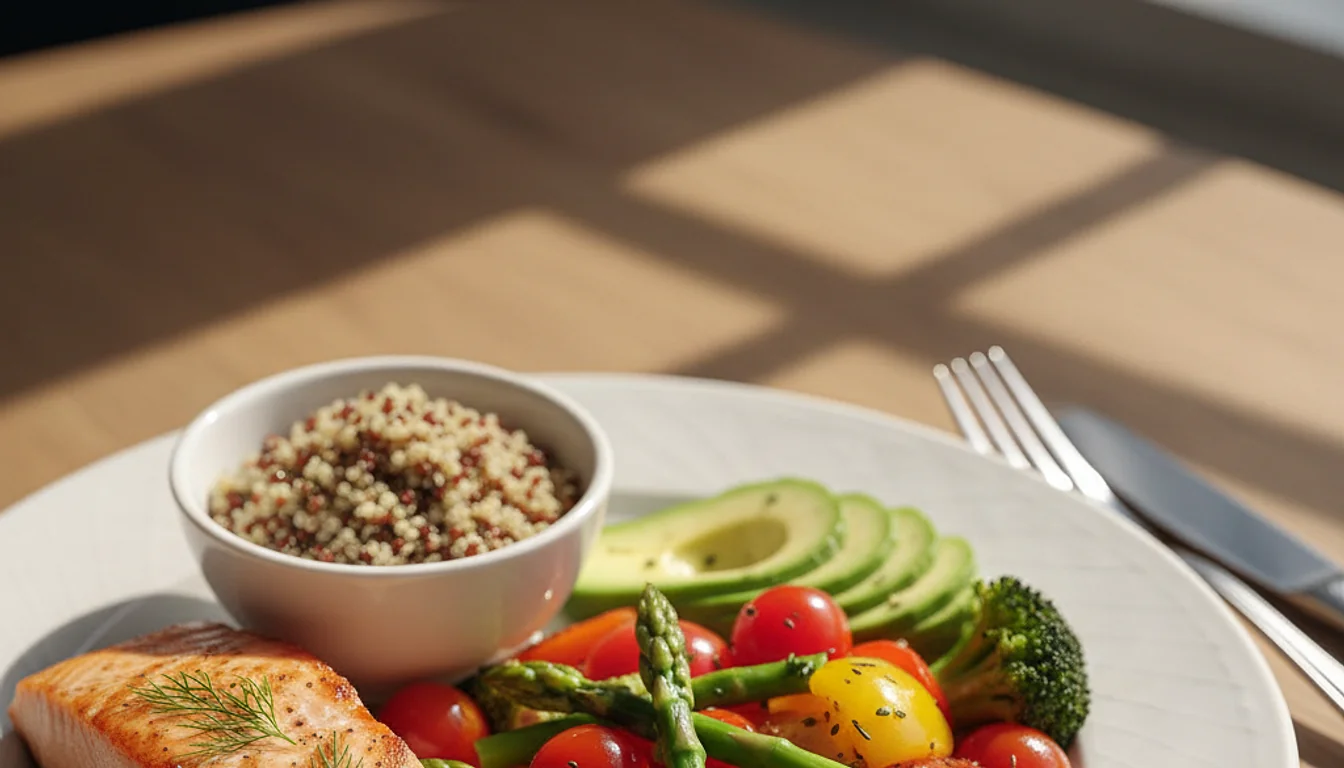
I stopped measuring every single gram of food because, let’s be real, I have two kids and a dog—I don’t have time for that. Instead, I use a visual guide. Half the plate is non-starchy vegetables. A quarter is lean protein. A quarter is complex carbs or healthy fats. It’s simple, and it works. I even taught my 5-year-old this, though she still thinks “non-starchy vegetables” is a funny word for broccoli.
💡 Pro Tip Always start your dinner with a small cup of broth-based soup or a simple green salad with lemon juice. According to a 2025 Penn State research paper, people who eat a low-density starter consume about 20% fewer calories during the main meal without even trying.
Swaps That Don’t Taste Like Sadness
To be honest, some swaps are terrible. I tried “cloud bread” once and it tasted like a dry sponge. Never again. However, some things are genuine game-changers. For instance, I use Greek yogurt instead of sour cream on my turkey chili. I also swear by Trader Joe’s Cauliflower Gnocchi ($3.99 per bag), which is significantly lower in calories than traditional potato gnocchi but still hits that comfort food craving.
3 Low Calorie Dinners I Actually Make (And My Kids Eat)
I’m a busy mom. If a recipe takes more than 20 minutes of active prep, I’m probably not doing it on a weeknight. Here are the three meals that have become staples in our house this year. I’ve refined these over dozens of attempts—including a few where I burnt the garlic so badly the smoke alarm went off.
- The 15-Minute Shrimp Stir-Fry: I buy frozen, peeled, and deveined shrimp from Costco. I toss them in a pan with a bag of frozen “Stir-Fry Medley” and a sauce made of soy sauce, ginger, and a tiny bit of honey. Serve it over cauliflower rice. Total calories: about 320.
- Turkey Taco Salad: Use 99% lean ground turkey seasoned with cumin and chili powder. Instead of a taco shell, I use a massive bed of romaine lettuce. I add black beans for fiber and a dollop of Primal Kitchen Buffalo Sauce ($6.49 at Whole Foods) for a kick. Total calories: about 380.
- Sheet Pan Lemon Chicken: Thinly sliced chicken breasts, asparagus, and cherry tomatoes. Drizzle with a little olive oil (I use the Graza “Sizzle” oil which is about $15 but lasts forever) and lots of lemon. Bake at 400°F for 18 minutes. Total calories: about 410.
Having these options ready helps me avoid the “I’m too tired to cook, let’s order pizza” trap. Speaking of traps, I learned a lot about staying consistent in my guide on how I finally mastered healthy eating habits. It’s really about the systems you put in place before you’re hungry.
The Budget Reality: Is Low Calorie Eating Expensive?
There is a huge myth that eating healthy, low calorie meals requires a massive budget and a personal chef. To be honest, I used to believe that too. I thought I needed to shop exclusively at high-end organic markets and buy $12 jars of almond butter. I was wrong.
Actually, my grocery bill went down once I focused on whole foods. Frozen vegetables are often cheaper and just as nutritious as fresh ones. Buying protein in bulk at places like Costco or Sam’s Club and freezing it saves me a ton of money. I recently calculated that my shrimp stir-fry costs about $3.50 per serving, which is way cheaper than the $18 I’d spend on a mediocre takeout bowl.
💰 Cost Analysis
$12.50
$4.20
One thing I will say: don’t get sucked into the “low calorie” snack aisle. Those 100-calorie packs of processed cookies are a rip-off. They don’t fill you up, and they usually cost twice as much as a bag of apples or a tub of Greek yogurt. I fell for that for years. Now, I spend that money on high-quality spices instead. Spices add flavor without calories, which is the real secret to not hating your food.
Mistakes I Made So You Don’t Have To
I’ve had my fair share of “Pinterest fails” in the kitchen. There was this one time in March 2025 when I tried to make a low calorie “pizza” using a crust made entirely of mashed carrots. It was a disaster. It didn’t hold together, it tasted like orange mush, and I ended up crying while eating a piece of cold toast. Lesson learned: some things just need to be what they are.
The “Too Little” Trap
The biggest mistake I made was trying to eat too few calories. I’d try to have a 200-calorie dinner, and then I’d be so hungry by 10:00 PM that I’d eat 600 calories of cereal. A 2024 report by the Academy of Nutrition and Dietetics found that extreme caloric restriction often leads to binge eating cycles. Now, I aim for that 400-500 calorie sweet spot. It feels substantial enough that I don’t feel deprived.
⚠️ Warning: Avoid “hidden” calories in dressings and oils. One tablespoon of olive oil has 120 calories. I used to just pour it on “by eye,” and I was likely adding 300 calories to my “healthy” salads without realizing it. Use a spray bottle or a measuring spoon!
I also struggled with “mom fatigue” for a long time, which made me reach for sugary snacks for energy. I actually wrote a whole post about how I fixed my mom fatigue, and a big part of it was finally getting my dinner nutrition right. When your liver isn’t bogged down by processed junk, you actually have the energy to play with your kids after a long day.
My 2026 Strategy for Long-Term Success
As we head into 2026, my approach is all about flexibility. Some nights, I’m going to have a 700-calorie dinner because it’s a friend’s birthday or I just really want a burger. And that’s okay. The goal is consistency, not perfection. I’ve found that if 80% of my dinners are low calorie and nutrient-dense, the other 20% doesn’t ruin my progress.
I also started using a simple app to track my fiber intake rather than just calories. I aim for 30 grams of fiber a day. If I hit that, the “low calorie” part usually takes care of itself because high-fiber foods (beans, lentils, veggies) are naturally lower in calories and keep me full for hours.
“Healthy eating isn’t a destination you reach; it’s a series of small, slightly better choices you make every single day.” — Something I tell myself every morning.
What’s your experience been like? Are you struggling with the “boring food” stigma, or have you found a low calorie dinner that actually tastes like a treat? Genuinely curious to hear your hacks!
✅ Key Takeaways
- Focus on “volume eating” by filling half your plate with vegetables. – Don’t drop below 300 calories for dinner to avoid late-night binging. – Use Greek yogurt and spices to add flavor without adding calories. – Frozen veggies and bulk protein are the best ways to keep costs down. – Consistency beats perfection every single time.