




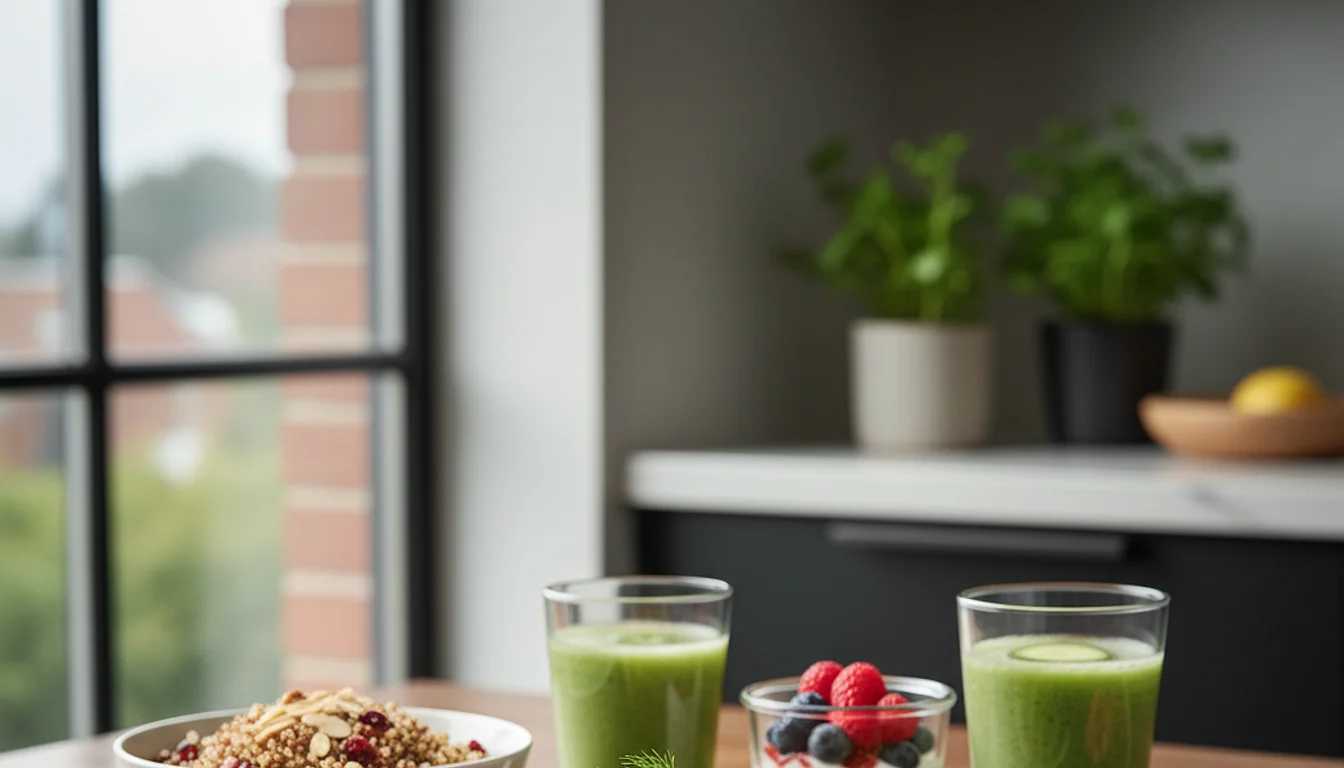
The moment I realized I’d been doing diabetes diet completely wrong for years, I was standing in the middle of a Whole Foods on a rainy Tuesday in November, staring at a $9.47 jar of “low-glycemic” almond butter and crying. My five-year-old, Sophia, was tugging at my coat, begging for those organic juice boxes that I knew would send my blood sugar into the stratosphere. I felt like a failure. I’d spent three years blogging about “lifestyle” and “parenting,” yet I couldn’t even figure out how to feed myself without a panic attack.
A diabetes diet is a healthy-eating plan that focuses on nutrient-dense foods like leafy greens, whole grains, and lean proteins while minimizing refined sugars and processed carbs. By managing the Glycemic Index (GI) of meals, individuals can prevent blood sugar spikes and maintain steady energy levels throughout the day. It isn’t a “starvation” plan; it’s a strategic way of fueling your body to keep your glucose within a target range.
Quick Summary: Managing a diabetes diet is less about “forbidden foods” and more about the order in which you eat and the quality of your carbs. Focus on fiber-first meals, avoid “diabetes-branded” processed snacks, and prioritize whole foods. It took me three years to realize that a $4.29 loaf of sprouted grain bread is better than any $15 “keto” replacement.
The Expensive Trap of “Specialty” Diabetes Foods
When I was first diagnosed, I thought I had to shop in a special aisle. I spent a fortune on things labeled “Sugar-Free” or “Diabetic Friendly.” Last March, I spent $14.99 on a box of keto-certified cookies that tasted like literal sawdust. I thought that to be healthy, I had to buy the most expensive, most engineered products. Actually, that was my first big mistake. To be honest, most of those products are just clever marketing designed to take advantage of our fear.
According to a 2024 report by the American Diabetes Association (ADA), the most effective way to manage blood sugar is through a “Mediterranean-style” diet focusing on whole, unprocessed foods. This means you don’t need the $9.47 almond butter. Regular, one-ingredient peanut butter for $3.50 works just as well—if not better. I’ve learned that the more a food is “processed” to be diabetes-friendly, the more likely it is to have weird sugar alcohols that mess with my digestion anyway.
Learning to Read Beyond the “Sugar-Free” Label
I remember sitting on my living room couch last January, surrounded by nutrition labels, feeling like I needed a PhD. I realized that “Sugar-Free” often means “Fat-Heavy” or “Carb-Loaded with white flour.” I’ve had to train myself to look at the total carbohydrates and fiber content instead. If a product has 20g of carbs but 0g of fiber, it’s going to spike me, regardless of what the front of the box says. that said,, it’s a steep learning curve when you’re also trying to pack school lunches and run a blog.
The “Fiber First” Rule That Changed Everything
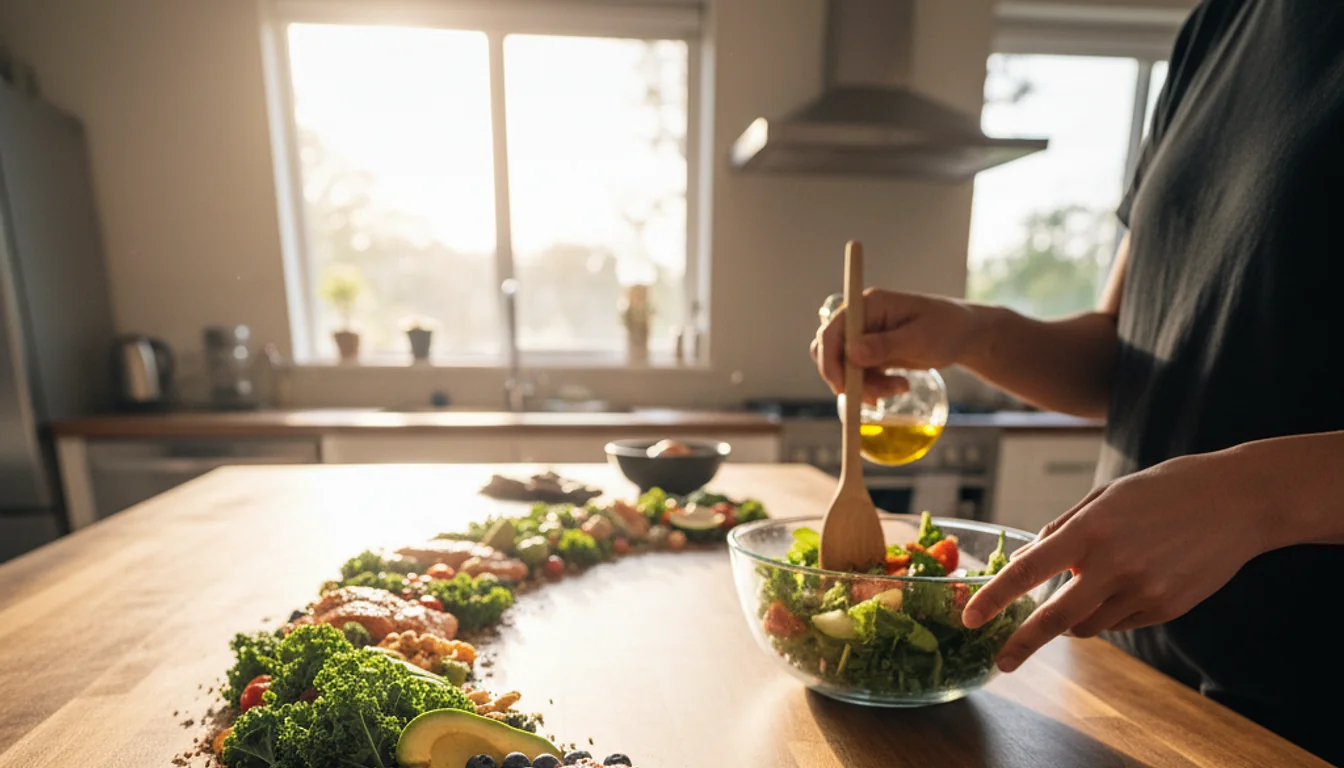
I saw a video from a nutritionist last year—I think it was around May 2025—about “food sequencing.” It sounded like another internet fad, but I was desperate. The idea is simple: eat your fiber (veggies) first, then your fats and proteins, and save your starches for the very end of the meal. I tried it with a simple dinner of salmon, broccoli, and a small portion of brown rice. My post-meal glucose reading was 30 points lower than when I ate everything mixed together.
A 2025 study from the Harvard T.H. Chan School of Public Health confirmed that the order of food ingestion significantly impacts postprandial glucose levels. By coating your stomach with fiber first, you slow down the absorption of sugars from the carbs you eat later. It’s such a simple, free “hack” that I felt stupid for not knowing it sooner. Now, even when we’re at a birthday party—like Sophia’s 5th birthday last March—I’ll munch on the veggie tray before I even touch a slice of pizza.
💡 Pro Tip Always eat a handful of leafy greens or a small side salad before your main course. This “fiber buffer” is the easiest way to prevent a glucose spike without changing what you’re actually eating for the main event.
Dealing with Hidden Sugars in a “Healthy” Lifestyle
To be honest, I used to think my morning green smoothies were the pinnacle of health. I was using a “healthy” protein powder and adding a banana, some mango, and a splash of oat milk. When I finally started wearing a Continuous Glucose Monitor (CGM) in late 2025, I saw that my “healthy” smoothie was sending my blood sugar to 210 mg/dL within twenty minutes. I was effectively drinking a milkshake. I had to pivot to berries (lower GI) and swap the oat milk for unsweetened almond milk or water.
How I Mastered the Grocery Store (On a Budget)
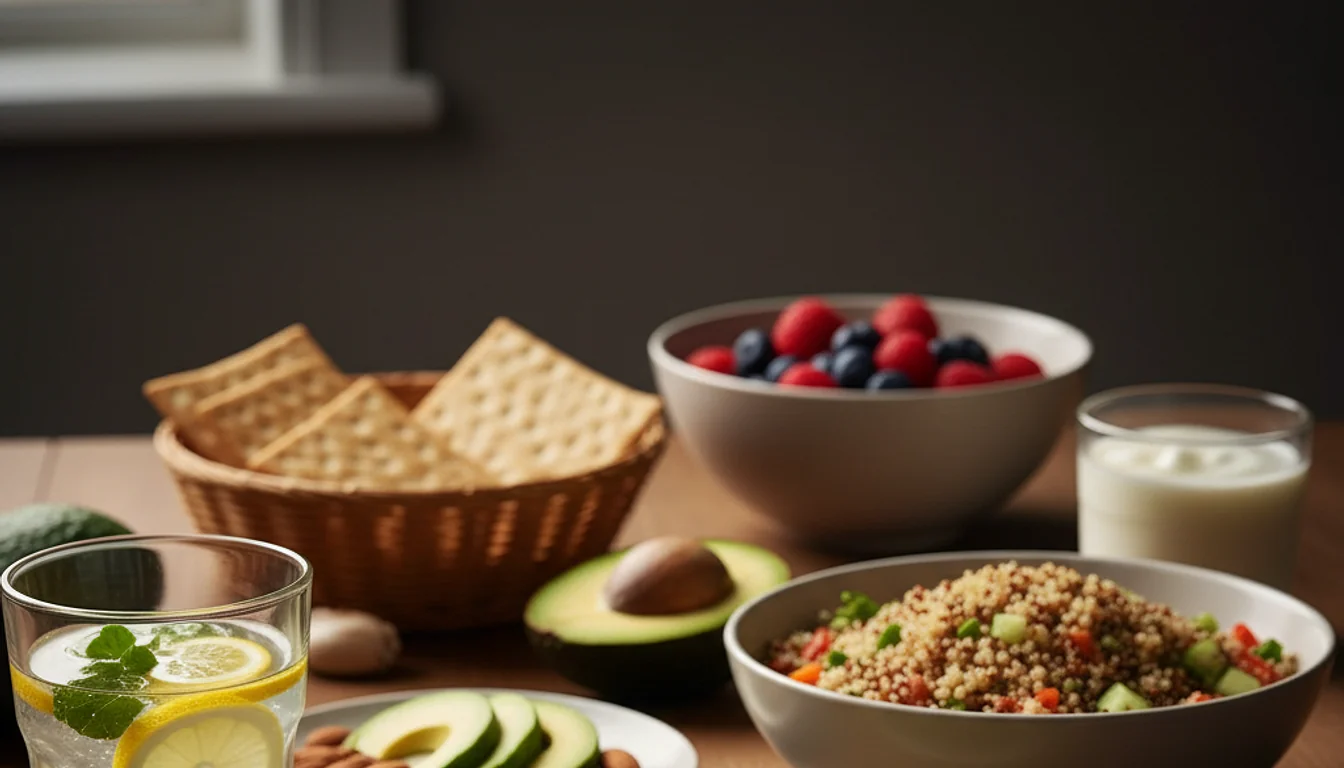
Let’s talk money, because a diabetes diet can feel incredibly expensive if you aren’t careful. I used to think I needed to buy everything at high-end specialty stores. Then, I found a specific sprouted grain bread at Aldi for $4.29 that has the exact same nutritional profile as the $8.50 brand I was buying at the boutique grocer. I’ve realized that I mastered healthy nutrition only when I stopped equating “expensive” with “effective.”
💰 Cost Analysis
$8.50
$4.29
I’ve also started buying frozen vegetables in bulk. Last Tuesday, I realized I was out of fresh greens, so I threw a bag of frozen spinach ($1.89) into my turkey chili. It’s just as nutritious and prevents that “everything in my fridge is rotting” guilt that every mom knows all too well. Speaking of being a busy mom, I’ve found that meal prep is actually worth the hype, but only if you keep it simple. I don’t do those aesthetic containers you see on Instagram; I just roast two pans of veggies on Sunday nights while I’m catching up on emails.
📊 According to a 2025 CDC report, 90% of Americans do not meet the recommended daily intake of fiber, which is vital for glycemic control.
The Mental Toll of Living with a Chronic Diet
This is the part I don’t talk about enough on my Instagram: the exhaustion. Some days, I just want to eat a bowl of cereal like a normal person. Last week, between three Zoom meetings and a school play rehearsal, I almost gave in and bought a sugary granola bar at the gas station. I felt that old familiar shame creeping in. But then I remembered something I wrote in my guide about proper nutrition lessons: perfection is the enemy of progress.
I’ve had to learn to be kind to myself. If I have a high reading because I dared to eat a piece of my daughter’s birthday cake, I don’t spiral anymore. I just go for a 15-minute walk. Exercise is like a natural insulin. A 2024 study in the Journal of Clinical Endocrinology & Metabolism showed that even a short walk after a meal can reduce glucose spikes by up to 22%. It’s about the “bounce back,” not the “perfect record.”
⚠️ Warning: Be wary of “hidden” sugars in condiments like ketchup, BBQ sauce, and even some balsamic glazes. One tablespoon of standard BBQ sauce can have up to 16g of sugar.
Finding My Go-To Brands That Actually Work
Over the last year, I’ve narrowed down my pantry to a few “safety” items that I know won’t betray my blood sugar. I always keep Barilla Protein+ pasta in the pantry ($2.39 at Target) because the extra protein and fiber help blunt the carb hit. I also swear by Kind Zero bars for when I’m running between errands. These aren’t sponsorships; these are just the things that kept me sane when I was ready to give up on this whole “diabetes diet” thing back in 2024.

Social Situations: The “Diabetes Diet” at Dinner Parties
How should I put it? Eating at someone else’s house is the hardest part. I used to feel so awkward bringing my own food or asking about ingredients. I felt like “that” person—the difficult guest. To be honest, I eventually realized that most people actually want to be helpful; they just don’t know how. Now, I always offer to bring a big, colorful salad. That way, I know there’s at least one thing on the table I can eat in abundance.
I remember a dinner party last October where the only options were pasta and bread. I felt that familiar surge of panic. Instead of starving, I just ate a very small portion of the pasta, focused on the conversation, and made sure to drink plenty of water. I also made sure to have a high-protein snack (like a hard-boiled egg) before I left the house. It’s all about the strategy, not the restriction. Actually, I feel more in control now than I ever did when I was “healthy.”
📖 Glycemic Index (GI)
A rating system for foods containing carbohydrates. It shows how quickly each food affects your blood sugar (glucose) level when that food is eaten on its own.
✅ Key Takeaways
- Prioritize fiber-first eating (veggies before carbs). – Avoid the “Sugar-Free” marketing trap; focus on total carbs and fiber. – Use simple “hacks” like a 15-minute walk after meals to lower spikes. – Focus on whole foods like frozen veggies and sprouted grains to save money. – Be kind to yourself—one high reading isn’t a failure.
My boss is calling. Figure the rest out yourselves.
⚕️ Medical Disclaimer
This article is for informational and educational purposes only and is not intended as a substitute for professional medical advice, diagnosis, or treatment. Always seek the advice of your physician or other qualified health provider with any questions you may have regarding a medical condition. Never disregard professional medical advice or delay in seeking it because of something you have read in this article.