

🔗 Affiliate Disclosure
I’m a lifestyle blogger and a mom, not a doctor or a registered dietitian. The following is based on my personal experience with nutrition and lifestyle changes. Always consult with a healthcare professional before making major dietary shifts, especially if you have underlying health conditions.
Who the hell started spreading all these myths about Clean eating?
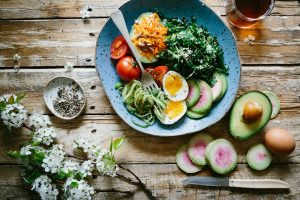
I’m sitting here in my kitchen, looking at a $14.82 jar of artisanal, stone-ground almond butter I bought last Tuesday at that fancy market on 4th Street, and I’m just… done. Seriously. Clean eating was supposed to be about “whole foods” and “wellness,” but somehow it turned into a competitive sport for people with too much time and way too much money. If you’re looking for a definition, here it is: Clean eating is the practice of consuming whole, unprocessed foods like fruits, vegetables, lean proteins, and whole grains while avoiding refined sugars and artificial additives. It sounds simple, right? It’s not. It’s a total minefield.
Quick Summary: Clean eating is about choosing whole foods over processed junk, but the “wellness” industry has made it unnecessarily expensive and stressful. After five years of parenting and three years of blogging, I’ve realized that 80% “clean” is better than 100% miserable. Stop obsessing over organic labels and start focusing on basic, whole ingredients you can actually afford.
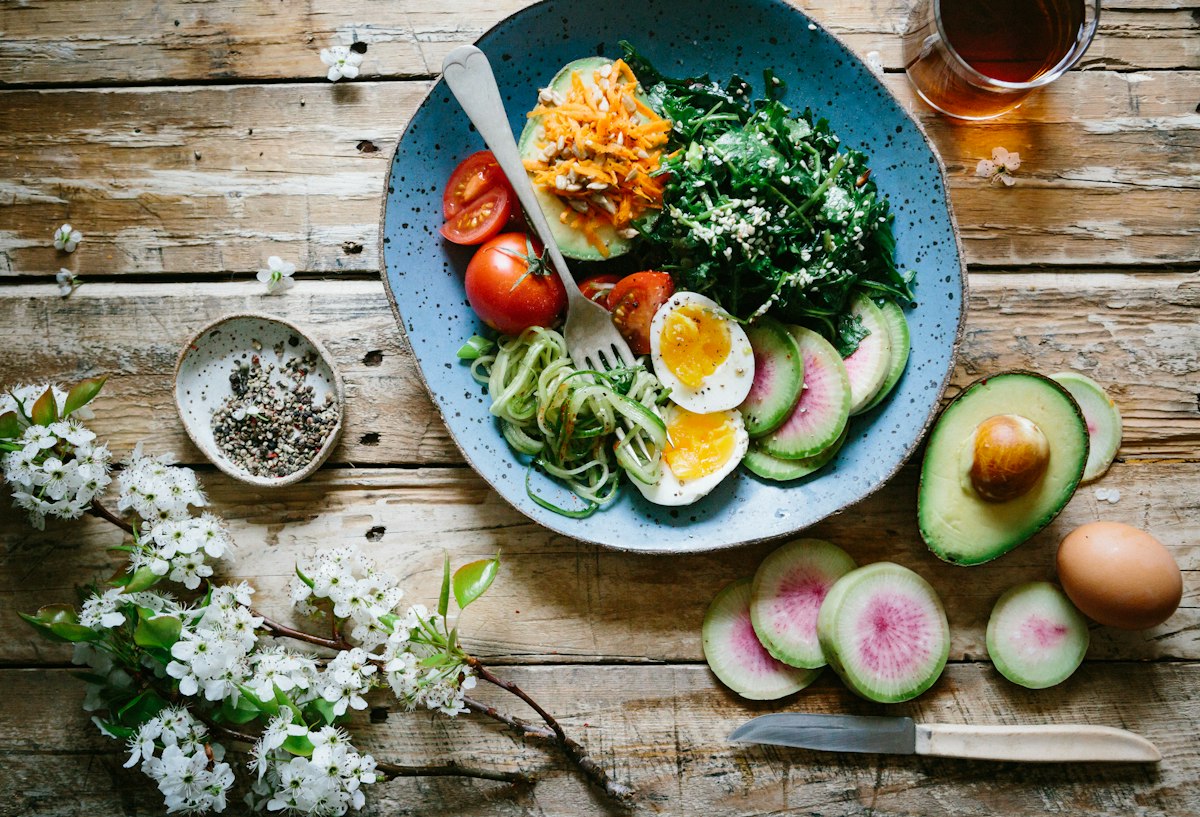
To be honest, I fell for it all. Back in November 2024, I decided I was going to be the “Perfect Clean Eating Mom.” I threw out everything. The crackers? Gone. The pasta? Replaced with zucchini noodles that tasted like sad water. I thought I was doing the right thing, but I was actually just losing my mind. that said,, I’ve learned a lot over the last year. I’ve realized that most of what we’re told is “clean” is just marketing garbage designed to make us feel guilty.
The “Everything Organic” Myth That Drained My Savings
The first thing they tell you is that if it isn’t organic, you’re basically eating poison. That is such a load of crap. I remember standing in the Whole Foods on 3rd Street last March, staring at a bunch of organic kale that cost $5.50 versus the regular stuff for $1.99. I felt like a “bad mom” for even considering the cheap one. But here’s the reality: a 2024 study published in the Journal of Environmental Health found that while organic produce has fewer pesticide residues, the nutritional differences are often completely negligible for the average person.
I spent months overpaying for organic everything—even stuff with thick skins like avocados and onions where it doesn’t even matter. My grocery bill hit $342.19 one week for just three people. That’s not sustainable; it’s financial suicide. To be honest, my friend Sarah actually laughed when she saw my receipt. She told me I was being “extra,” and she was right. You don’t need a six-figure salary to eat well.
💰 Cost Analysis
$145.00
$312.00
The Dirty Dozen Reality Check
If you’re worried about pesticides, just look at the Environmental Working Group (EWG) list. Buy organic for strawberries and spinach if you want, but for the love of God, stop buying organic bananas. It’s a waste of money. I feel now that I was just paying for a sticker and a false sense of superiority. It’s embarrassing to admit, but I was that person.
Why Sunday Meal Prep Is a Total Scam
Every “clean eating” influencer with a perfectly lit kitchen tells you that you have to spend six hours every Sunday prepping glass containers of grilled chicken and broccoli. I tried that for three weeks straight last February. By Wednesday, the chicken tasted like damp cardboard, and the broccoli smelled like a locker room. Plus, I missed out on taking my kids to the park because I was stuck chopping bell peppers.
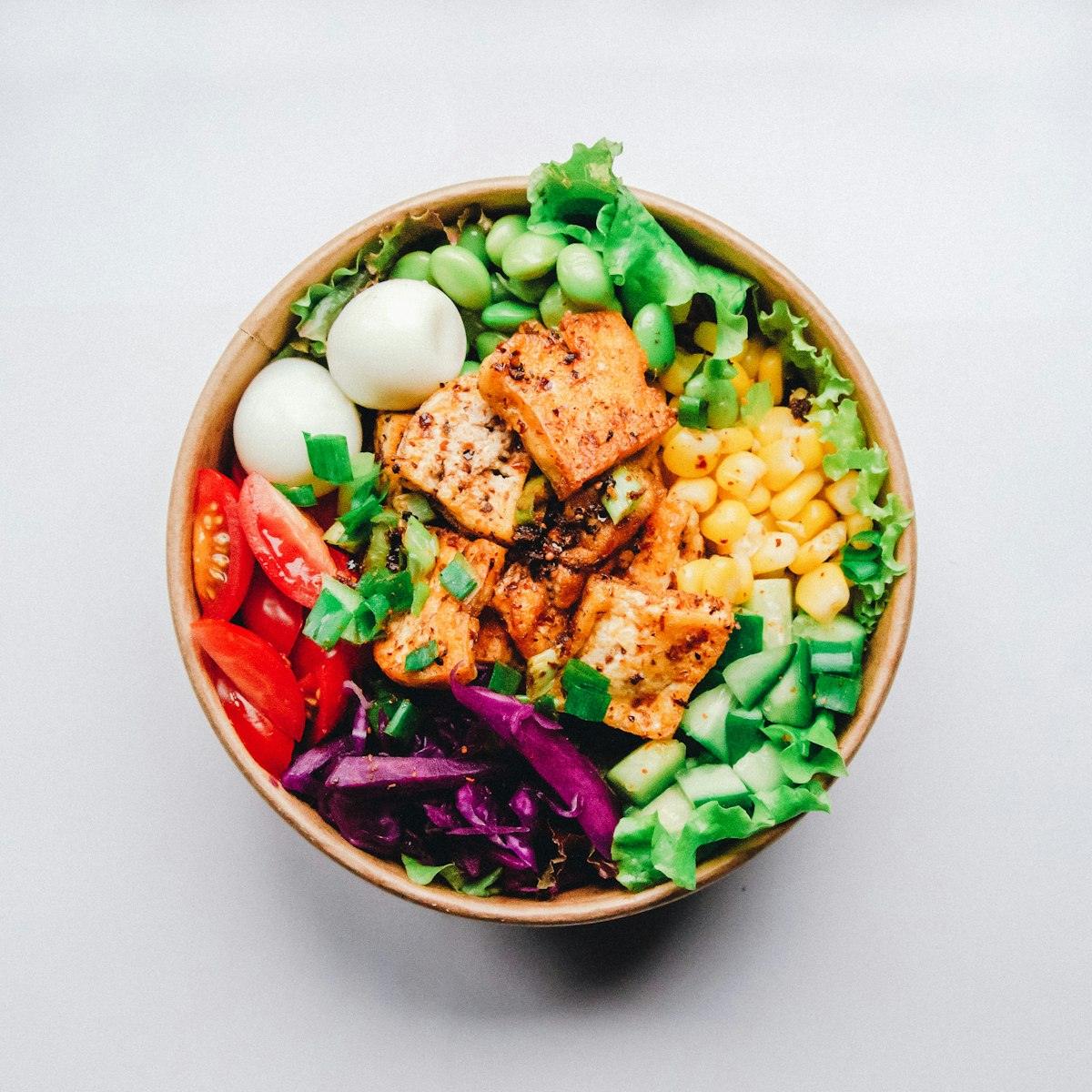
Real people don’t have six hours to waste on Sundays. Actually, I found that “component prepping” is way better. Roast a big tray of veggies, cook some quinoa, and call it a day. Don’t try to make 21 separate meals like you’re running a cafeteria. It’s a recipe for burnout. I’m speaking from a personal perspective here—nothing makes me want to order a greasy pizza more than a fridge full of identical, boring containers.
💡 Pro Tip Instead of full meal prep, just wash and chop your fruit and veggies as soon as you get home. It takes 20 minutes and makes healthy snacking actually happen.
The Label-Reading Rabbit Hole That Stole My Sanity
I used to spend 15 minutes in the cereal aisle reading the back of every box. If I saw “natural flavors” or “xanthan gum,” I’d put it back like it was radioactive waste. It’s exhausting. The “clean eating” community has created this culture of fear around ingredients that are actually fine in small amounts. Is cane sugar great? No. Is a gram of it in your pasta sauce going to kill you? Also no.
Last month, I caught myself googling whether or not citric acid was “clean” while my toddler was screaming in the cart. I realized I was prioritizing purity over peace. It’s a slippery slope into orthorexia—an obsession with “healthy” eating that actually becomes unhealthy. A 2025 report in the American Journal of Lifestyle Medicine noted a significant rise in “food anxiety” among parents trying to follow strict dietary labels. We are stressing ourselves out over nothing.
⚠️ Warning: Beware of products labeled “Clean” or “Green” that are still loaded with 20g of sugar. “Organic cane sugar” is still just sugar, guys.
Social Life? Forget About It
This is the part nobody talks about. When you’re strictly clean, you become the “difficult” friend. I went to a backyard BBQ last July and brought my own kale salad because I was afraid of the burger buns and the potato salad. My husband looked so annoyed when I refused a slice of his birthday cake because it had food coloring in the frosting. I was miserable, and I was making everyone else uncomfortable too.
Eating is a social act. It’s about connection. When you start bringing your own “clean” Tupperware to a wedding, you’ve gone too far. I’ve realized that social isolation is far worse for your health than a little bit of refined flour. Nowadays, if I’m at a party, I eat the damn cake. Really. It’s fine.
The 80/20 Reality: How I Finally Found Peace in 2026
So, what actually works? It’s not a detox tea or a $200 grocery haul. It’s the 80/20 rule. I eat whole, “clean” foods about 80% of the time. The other 20%? I eat the chicken nuggets my kid didn’t finish, or I go out for tacos and margaritas with my husband. I stopped trying to be a wellness goddess and started being a human being.
I still use my favorite high-speed blender every single day for smoothies (it was a $349.00 investment back in 2023, but it’s the only thing that hasn’t broken), but I don’t stress if I use regular milk because I ran out of the homemade almond milk that takes three hours to strain through a cheesecloth. Life is too short for that.
My Non-Negotiable “Clean” Habits
- Drinking water instead of “wellness tonics” that cost $6 a bottle.
- Buying frozen vegetables. They are picked at peak ripeness and are way cheaper than “fresh” stuff that wilts in two days.
- Cooking at home more often, but not every single night.
- Focusing on fiber (beans, lentils, oats) because it’s cheap and actually makes you feel full.
To be honest, I feel better now than I did when I was 100% strict. My energy is more stable, and I don’t have a panic attack if I see a bag of chips in my pantry. Clean eating should be a tool, not a prison sentence. If you’re struggling, just take a breath. Buy the regular apples. Eat the bread. You’re doing fine.
✅ Key Takeaways
- Organic isn’t always better; focus on the “Dirty Dozen” if you’re on a budget. – Rigid meal prepping leads to burnout; try component prepping instead. – The 80/20 rule is the only sustainable way to eat healthy long-term. – Don’t let “clean eating” destroy your social life or mental health.
Whatever. Do what you want. I tried.